
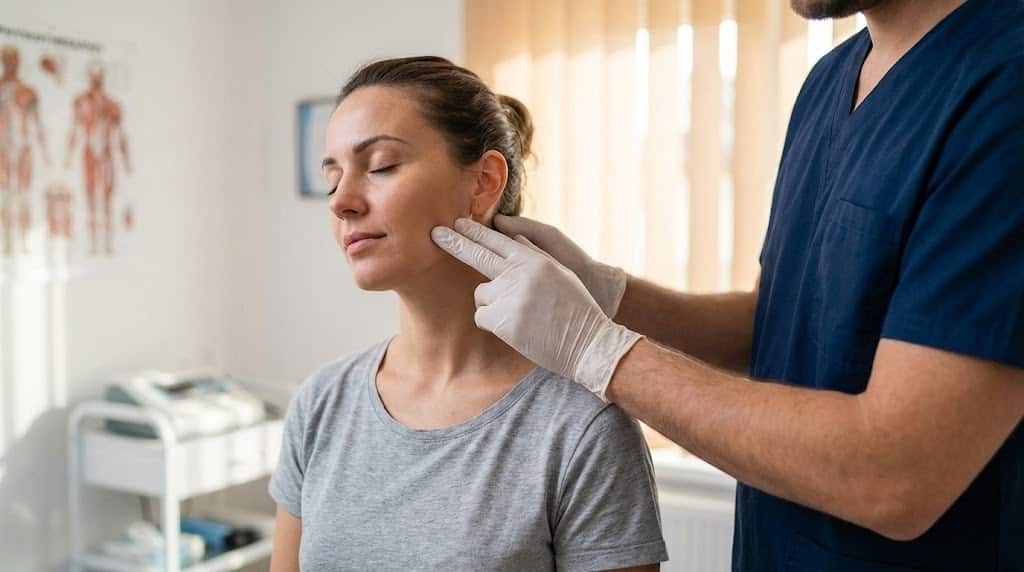
TMJ pain treatment is often the missing link for patients suffering from chronic headaches, clicking jaws, or difficulty eating. At True Integration Rehab & Wellness (TIRW), we find that conservative, reversible treatments should almost always be the first line of defense against Temporomandibular Disorders (TMD).
Using a blend of chiropractic care, massage therapy, and functional rehab, we help patients in Markham resolve jaw tension without jumping straight to invasive procedures.
Direct Answers: Quick Clinical Summaries
-
What is the best treatment for TMJ? Conservative care is the gold standard. This includes manual therapy (massage/mobilization), specific jaw exercises, posture correction, and stress management.
-
How long does TMJ take to heal? With consistent treatment and home exercises, most patients see measurable improvement in 4–12 weeks. Chronic cases may require a longer, staged management plan.
-
Can chiropractic help TMJ? Yes. Chiropractors assess the cervical spine (neck) and jaw joint mechanics, using gentle adjustments and soft tissue work to restore proper motion and reduce neural tension.
-
Do I need a night guard? Night guards (splints) are helpful for protecting teeth from grinding (bruxism), but they do not always fix the underlying muscle tension or joint dysfunction. They work best when combined with physical rehab.
Why Our Integrated Approach Works
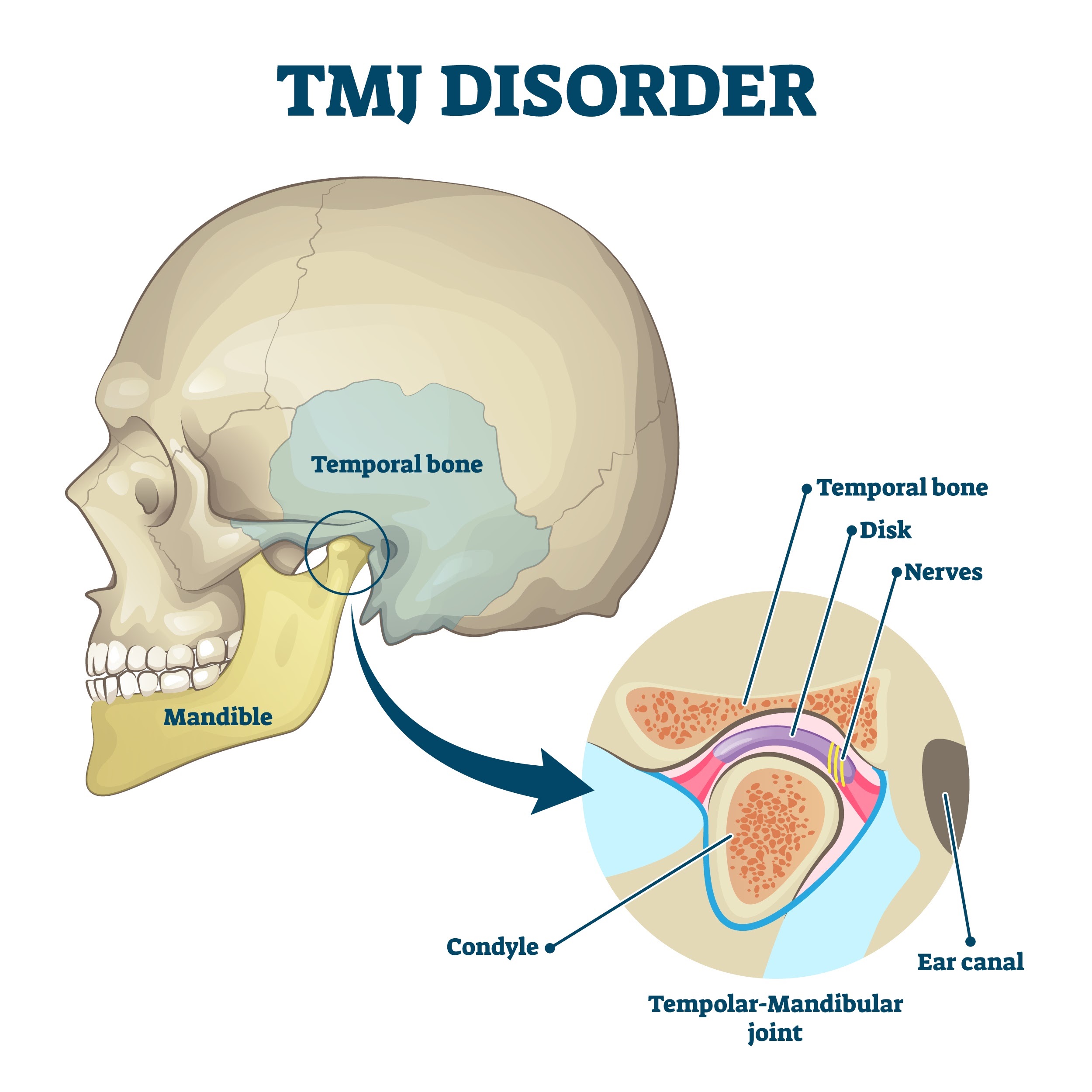
Temporomandibular joint (TMJ) conditions are rarely caused by one single thing. They are multi-factorial: muscular imbalance, joint inflammation, disc displacement, stress-induced grinding, and poor neck posture all interact.
Because the causes are complex, a single-mode treatment often fails. A targeted, staged TMJ pain treatment plan that addresses muscle balance, joint mobility, and pain behaviors simultaneously achieves the best results.
Recent clinical evidence supports a “multimodal” approach. This means we combine hands-on therapy with active patient education, reducing the need for medications or surgery.
Evidence-Based TMJ Treatment Approaches
At TIRW, we prioritize the most effective conservative treatments formed on the foundation of evidence-based care.
1. Physical Therapy & Therapeutic Exercise
Active care is highly recommended as a first-line intervention. We prescribe specific movements to:
-
Improve Coordination: Exercises like “Goldfish” (partial and full opening) help retrain how the jaw tracks.
-
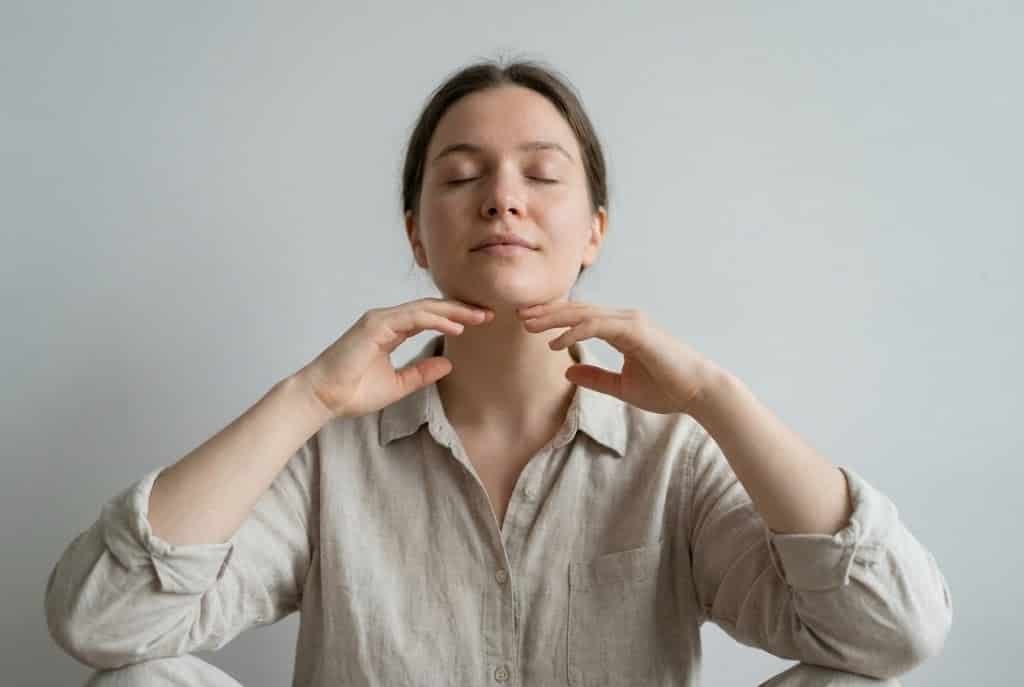
Interrupt Clenching: The “Relaxed Jaw” technique helps break the habit of daytime clenching.
-
Restore Posture: Because the jaw and neck are neurologically connected, correcting forward head posture (using chin tucks) often relieves jaw tension.
2. Manual Therapy
Hands-on treatment is essential for addressing the soft tissue restrictions that exercise alone cannot fix.
-
Joint Mobilization: Gentle gliding movements applied to the TMJ to reduce stiffness and improve range of motion.
-
Soft Tissue Therapy: Techniques like Myofascial Release target the masseter, temporalis, and pterygoid muscles. This helps reduce inflammation and increase blood flow.
-
Cervical Alignment: Addressing restrictions in the upper neck which often refer pain to the jaw and face.
3. Self-Care and Lifestyle Modifications
Your habits outside the clinic determine 80% of your success.
-
Resting Jaw Position: Consciously keeping the tongue on the roof of the mouth, lips closed, and teeth slightly apart.
-
Dietary Changes: Temporarily adopting a soft diet and avoiding gum or tough meats to let the joint rest.
-
Thermal Therapy: Moist heat is generally best for chronic muscle tightness, while ice helps acute inflammation.
Who This Is For / Not For
This approach is ideal for:
-
Patients with “clicking” or “popping” jaws accompanied by pain.
-
Individuals with tension headaches or neck pain associated with jaw tightness.
-
People who grind their teeth (bruxism) and want to address the muscular component.
When to seek a Specialist (Dentist/Oral Surgeon):
-
If you have experienced recent trauma (fracture) to the jaw.
-
If your jaw is currently “locked” open or closed and you cannot move it at all (this may require urgent intervention).
-
If you require custom dental appliances (splints) or orthodontic correction.
FAQ: TMJ Pain Treatment
Q: Will I need surgery? A: It is very unlikely. Fewer than 10% of TMD patients require surgical intervention. Surgery is generally reserved for severe mechanical joint problems only after conservative care has failed.
Q: Are bite splints safe? A: Yes, when fitted and monitored by a dentist or prosthodontist. However, they are often most effective when paired with the manual therapy we provide to relax the muscles that are biting down on the splint.
Q: Is the treatment painful? A: Intra-oral massage (treating muscles inside the mouth) can be tender or uncomfortable due to the high sensitivity of these muscles, but it should not be “painful.” We work within your tolerance to ensure relief, not distress.
Takeaway
-
Conservative First: Most TMJ pain responds well to a structured plan of education, exercise, and manual therapy.
-
Whole Body View: Treating the neck and posture is often just as important as treating the jaw itself.
-
Patient Empowerment: Self-care habits like the “Resting Jaw Position” are critical for long-term relief.
-
Collaboration: We often work alongside your dentist to ensure your TMJ pain treatment is comprehensive.
Ready to End the Headaches and Jaw Tension?
Don’t let jaw pain dictate your diet or your mood. Schedule a specialized assessment at True Integration Rehab & Wellness. We will identify the root cause of your pain and create a personalized pathway to recovery.