
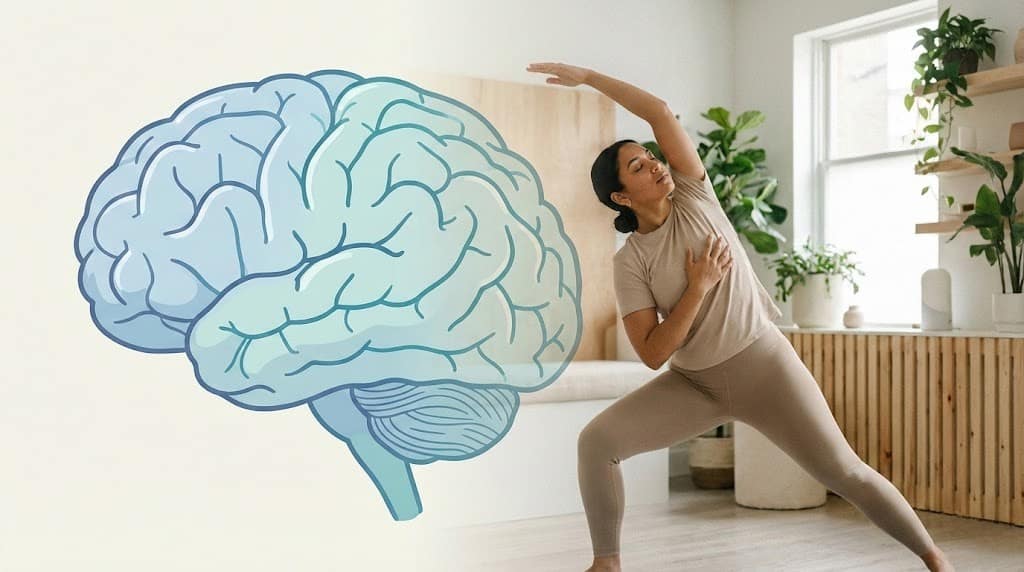
When persistent pain does not respond fully to standard physical treatments, the missing link is often chronic stress. Understanding the concept of holistic mental-physical stress integration is the first step toward true functional recovery. At True Integration Rehab & Wellness in Markham, we view physical symptoms not just as isolated mechanical failures, but as expressions of the entire system reacting to sustained pressure.
Direct Answers regarding Stress & Recovery
Q: How does chronic stress physically injure the body?
A: Chronic stress activates the sympathetic nervous system (fight-or-flight), causing persistent muscle tension, inflammation, changes in tissue blood flow, and altered pain signal processing.1 This leads to physical symptoms like headaches, back pain, and recurring injuries.
Q: What is the main missing link in pain recovery?
A: The failure to recognize and treat the biological effects of unmanaged mental and emotional stress on the musculoskeletal system. Symptoms are often physical manifestations of systemic overload.
Q: What is the goal of holistic mental-physical stress integration?
A: The goal is to consciously regulate the nervous system’s stress response to break the physical cycle of tension, inflammation, and pain, allowing the body to return to a state of balance.
Q: Can stress cause actual physical injury?
A: Yes. Stress creates chronic muscle guarding and tension that significantly increase the risk of strain, repetitive injury, and conditions like temporomandibular joint (TMJ) disorders.
Table of Contents
Defining Chronic Stress: The Biology of Overload
Stress is more than just a mental state; it is a profound physiological response meant for survival. When we perceive a threat, the body releases hormones such as cortisol and adrenaline, starting the “fight-or-flight” response.3
This response primes your muscles for immediate action, increases heart rate, and elevates pain sensitivity. In a healthy system, this response subsides once the threat is gone.
Chronic stress occurs when this response remains partially activated for weeks, months, or years. The body’s systems never fully stand down, leading to a state of perpetual physiological readiness.

Understanding Holistic Mental-Physical Stress Integration
This method acknowledges that the experience of pain is inextricably linked to both the body and the mind. The goal of holistic mental-physical stress integration is to reframe your suffering rather than ignore it.
It entails realizing how everyday stresses—such as workload, family dynamics, and financial concerns directly result in physical symptoms like a chronically tight upper back, persistent tension headaches, or recurrent hamstring strains. Therefore, both the tissue and the underlying driver must be addressed during treatment.
The Physical Mechanism: From Threat to Tissue Tension
Chronic stress acts on the body in four critical ways that lead directly to physical symptoms and pain:
- Muscle Guarding and Tension: The primitive fight-or-flight response causes muscles (especially those in the neck, jaw, shoulders, and lower back) to tighten.4 Chronic guarding alters the tissue’s physical structure, resulting in trigger points and stiffness.
- Systemic Inflammation: Sustained cortisol exposure can dysregulate the immune system, leading to low-grade chronic systemic inflammation. This increases overall pain sensitivity and slows healing.
- Altered Pain Perception: Chronic activation fundamentally changes how the central nervous system processes sensory input. The pain signal’s volume is increased, making even mild input seem severe.
Digestive and Immune Effects: Stress diverts resources away from non-essential functions like digestion, indirectly affecting nutrient absorption and physical resilience.

The 5-Step Path to Re-Integration
Lasting pain relief requires a dedicated strategy to downregulate the nervous system and integrate the physical and mental experiences.
Step 1: Somatic Awareness and Interoception
We start by helping you consciously identify where the stress is held in your body. This is called interoception—the awareness of your internal physical state.5 When you notice your shoulders creeping up to your ears during a deadline, you gain agency over the physical stress response.
Step 2: Manual Therapy for De-Threatening
Hands-on therapy is used not just to release tight muscles, but to provide a neurological signal of safety. Chiropractic adjustments, massage therapy, and acupuncture can interrupt the chronic tension cycle. This work helps “reset” the nervous system’s threat level.
Step 3: Corrective Movement and Stability
Once tissues are less threatened, we reintroduce functional movement and stability exercises. These exercises teach the brain that movement is safe, even when mental pressure is high. Discover the ideal combination of therapies at TIRW to support this phase.
Step 4: Boundary and Lifestyle Review
For a genuinely holistic approach, this step is essential. It entails analyzing outside stressors that fuel the ongoing fight-or-flight response. We encourage you to evaluate boundaries in work and daily routines. No amount of physical therapy can resolve pain if the nervous system overload remains unaddressed.
Step 5: Consistent Nervous System Regulation
Long-term success relies on daily, accessible practices. This could include breathwork, short mindfulness routines, or gentle mobility work. The goal is consistency: 5 minutes every day is more effective than 60 minutes once a week.
Who This Is For / Not For
This is for you if:
- You have chronic non-specific low back pain, fibromyalgia, or tension headaches.
- Your injuries seem to return shortly after conventional treatment ends.
- You are ready to acknowledge the role of stress in your physical symptoms.
This is not for you if:
- You have active fractures, acute infections, or unexplained sudden neurological symptoms. These require immediate medical diagnosis and stabilization before any holistic rehabilitation approach can begin.
Frequently Asked Questions (FAQ)
Q: Does focusing on stress mean my pain isn’t real?
A: Absolutely not. The pain is entirely real. Stress is a physiological process that causes very real physical changes—from muscle ischemia to heightened inflammation—which create genuine pain signals.
Q: How long does it take to see results?
A: While full integration can take 6–12 weeks of consistent effort to alter deeply ingrained patterns, the initial physical relief from manual therapy is often experienced quickly.
Q: Is this the same as just telling me to ‘relax’?
A: No. We offer quantifiable, clinical physical therapies (e.g., chiropractic, massage) combined with specific exercises intended to actively downregulate the nervous system.
Q: Which TIRW practitioner is best for stress-related pain?
A: Our integrated team approach is best. This typically involves a combination of chiropractic or physiotherapy for assessment and massage therapy for muscle release. Contact TIRW to discuss your specific needs.
Q: Are there any specific red flags?
A: Yes. Seek immediate medical attention if you experience sudden, severe, unexplained weight loss, new bladder/bowel function changes, or profound weakness/numbness.
The Takeaway
- Stress is Physical: Chronic mental stress creates real biological changes, including muscle tension and inflammation.6
- The Missing Link: Treating only the tissue without addressing the nervous system overload often leads to recurring injury.
- Integration is Key: Holistic mental-physical stress integration combines somatic awareness, manual therapy, and lifestyle changes for lasting relief.
- Start Small: Consistent, small regulatory practices are more effective than sporadic large efforts.
Ready to find the missing link in your pain management?
Schedule a comprehensive initial assessment at True Integration Rehab & Wellness in Markham today.