
Executive Summary
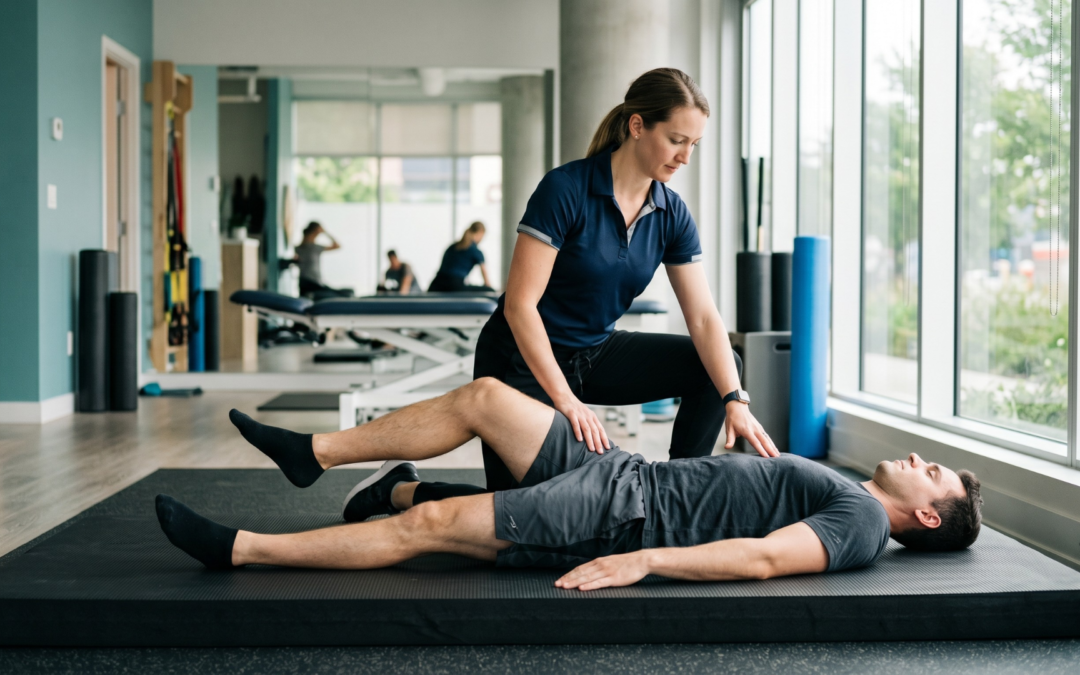
Chronic stiffness and recurring injuries are systemic movement failures, not permanent state variables. This blog outlines how integrating functional mobility with targeted rehabilitation restores joint mechanics, accelerates recovery, and returns Markham residents to peak physical performance.
Purpose and Scope
The blog serves as the clinical and strategic framework for patients seeking to transition from acute injury rehabilitation to sustainable, long-term functional movement within the York Region athletic and demographic ecosystem.
Introduction
We often treat pain as an isolated incident. If your knee hurts, you rest your knee. If your lower back aches, you change your chair. But human biomechanics do not operate in silos.
When you lose the ability to move a joint through its full, natural range of motion, your body forces other muscles and joints to compensate. Over time, these compensations manifest as chronic pain, tightness, and recurring injuries. For Markham residents striving to maintain active lifestyles, whether that means playing weekend sports, lifting weights, or picking up their grandchildren, traditional rest isn’t enough. You need to bridge the gap between rehab and performance.
1. What is Functional Mobility Training Markham? (And Why Flexibility is a Myth)
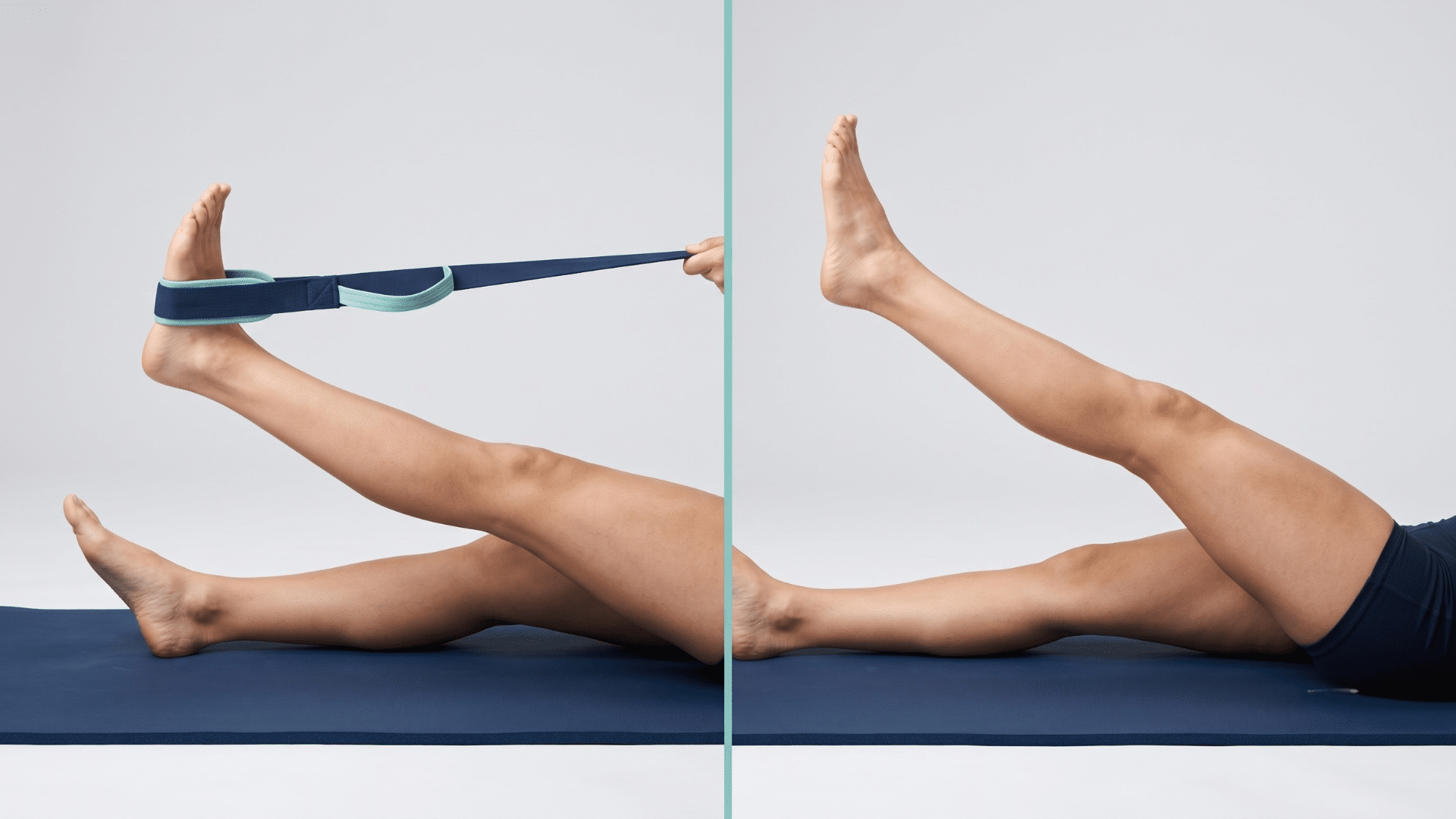
Many people confuse mobility with flexibility. Flexibility is entirely passive, it is the length your muscles can stretch when assisted by gravity or an external force. Mobility, however, is active control. It is your nervous system’s ability to exert force and stabilize your body through an entire range of motion.
- Passive Flexibility: Being able to pull your leg into a deep hamstring stretch while lying down.
- Active Mobility: Being able to lift your leg high into the air using only your core and hip flexors.
Without strength and control at your joint’s outer limits, flexibility becomes a liability that increases your risk of injury.
2. The True Integration Rehabilitation Loop
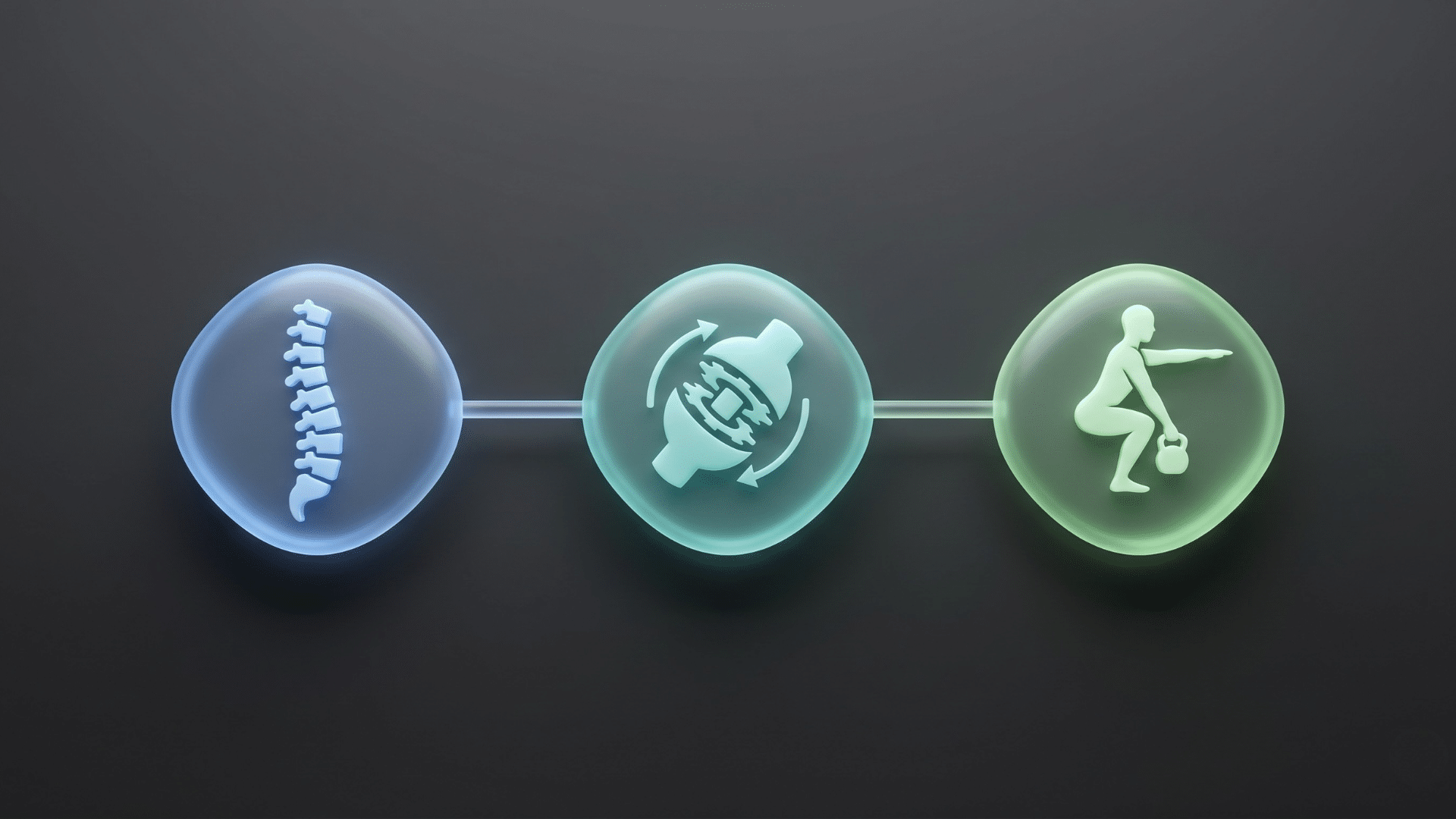
True rehabilitation does not stop when your pain reaches zero. True rehabilitation ends when your joints are stronger than they were before the injury. Our Markham-based protocol integrates a systematic, three-stage approach to permanent recovery:
- Phase 1: Assessment & Down-Regulation: Identifying the true biomechanical root cause of your pain and calming the nervous system.
- Phase 2: Capacity Restoration: Using specific joint-isolation movements to reclaim lost workspace in the hips, shoulders, and spine.
- Phase 3: Real-World Strength: Teaching your brain to utilize that new mobility under load, ensuring your injury doesn’t return during daily life.
3. Tailored for the Markham Community
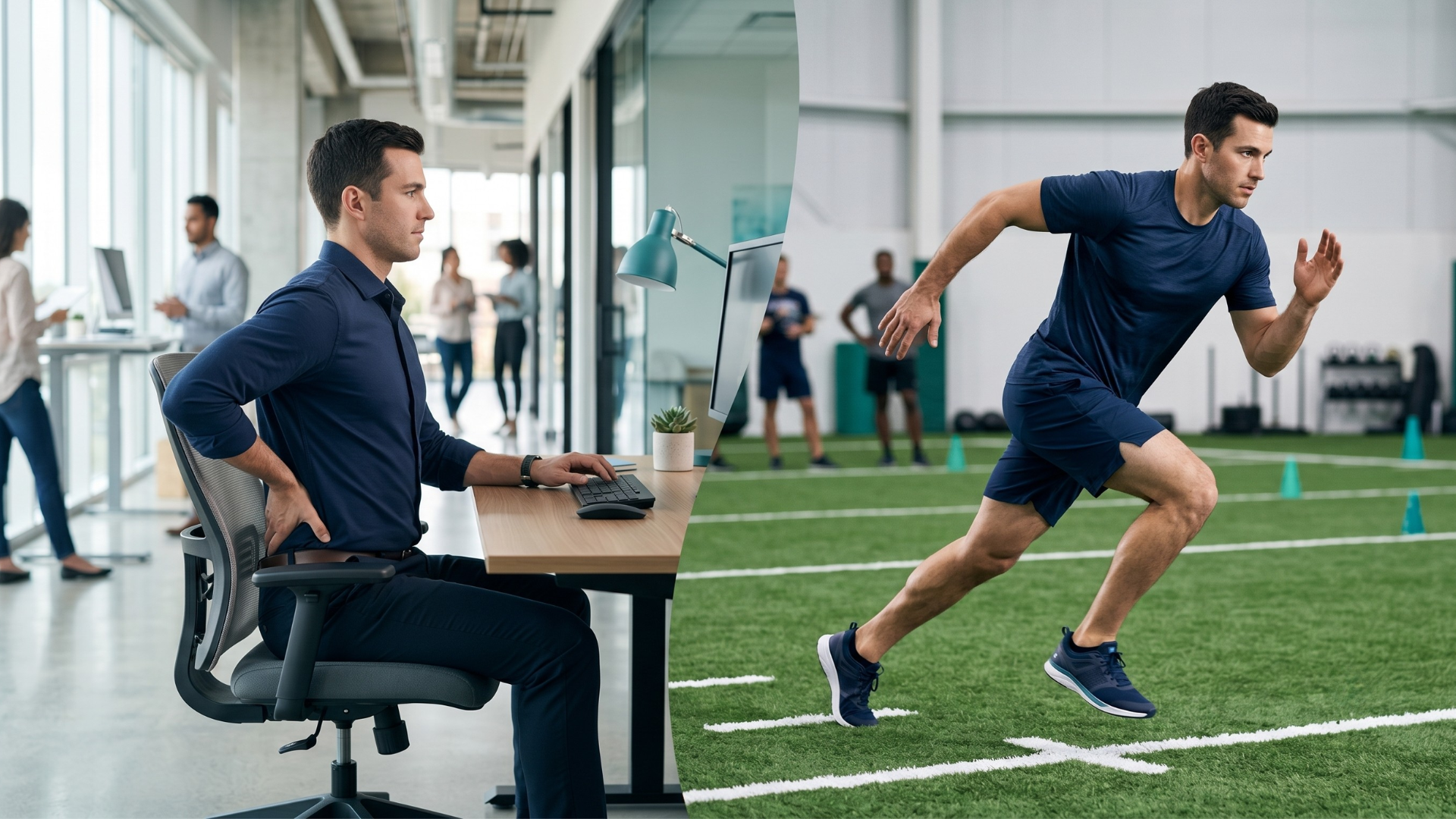
From tech professionals sitting at desks all day in the Warden Avenue corridor to competitive athletes training out of local sports clubs, movement stressors vary. Sitting creates anterior hip tightness and a deactivated posterior chain; sports demand sudden, high-velocity deceleration. Our individualized rehabilitation programs are engineered specifically to reverse these localized behavioral patterns.
Conclusion
Pain is data. It is your body’s dashboard warning light telling you that a mechanical system is failing. Masking that warning light with temporary fixes guarantees long-term degradation. By combining scientific rehabilitation with functional mobility training, you rewrite your movement patterns, eliminate pain at the source, and build a resilient body.
FAQs
- What is the difference between physical rehabilitation and functional mobility training?
Physical rehabilitation focuses on recovering from an acute injury, reducing pain, and restoring basic daily function. Functional mobility training goes a step further by building active strength, control, and resilience at the absolute limits of your joint capacity to prevent the injury from ever returning. - How do I know if I need mobility training or just regular stretching?
If you feel tight, stretch, and find that the stiffness returns just a few hours later, your issue isn’t muscle length, it is a lack of joint stabilization. Regular stretching only improves temporary, passive flexibility. Functional mobility training teaches your nervous system to actively control that movement, creating lasting relief. - What conditions can functional mobility training help treat in your Markham clinic?
Our integrated protocols successfully treat chronic lower back pain, hip impingement, shoulder instability, runner’s knee, and postural stiffness caused by long hours of sedentary desk work. - How long does it take to see measurable results from mobility rehab?
While neurological changes and pain reduction can often be felt within your first few sessions, structural adaptation actually changing the tissue and joint capacity, typically takes 4 to 6 weeks of consistent, targeted movement patterns. - Do I need a doctor’s referral to book a session at True Integration Wellness?
No, a physician’s referral is not required to begin treatment at our Markham clinic. Our specialized team conducts an independent, comprehensive biomechanical assessment during your first visit to map out your custom recovery plan. - Can athletes use functional mobility training, or is it only for injury recovery?
It is highly beneficial for both. For athletes, functional mobility training expands your active “workspace,” which directly translates to increased power output, better agility, and a significantly reduced risk of non-contact training injuries. - Are your rehabilitation and mobility services covered by extended health insurance in Ontario?
Yes. Because our mobility protocols are integrated into clinical treatments like chiropractic care and physiotherapy, they are typically covered under most standard extended health care benefit plans in Ontario.
Stop managing pain. Start mastering movement. Don’t let stiffness dictate your daily life. Contact our specialized team at True Integration Wellness in Markham today to schedule your comprehensive biomechanical assessment.
Reference Links
Internal Links
- three-stage approach
https://trueintegrationwellness.ca/services/ - tech professionals sitting at desks
https://trueintegrationwellness.ca/spinal-decompression/ - comprehensive biomechanical assessment
https://trueintegrationwellness.ca/contact-us/
External Links
- increases your risk of injury.
https://pubmed.ncbi.nlm.nih.gov/31815143/ - Functional Range Conditioning
https://functionalanatomyseminars.com/