
Cervical & Spinal Decompression
Relief for chronic neck and back pain, without surgery.
Gentle, supervised traction that eases pressure off compressed discs and nerves. No operation, no recovery time, and a stop button that stays in your hand.
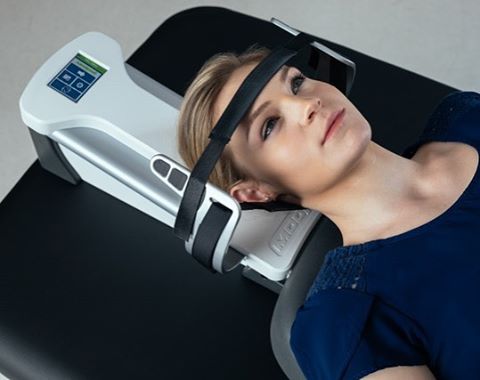
Overview
What spinal decompression is, in plain terms
Decompression therapy uses gentle, controlled traction to create space between the bones of your spine. That space takes pressure off compressed discs and the nerves around them.
When a disc bulges or a joint narrows, it can press on a nerve and send pain down your arm or leg. Decompression works by easing that pressure a little at a time, which can help the disc settle and let irritated nerves calm down. It is slow, it is comfortable, and you stay awake and in control the whole time.
This is not a machine you walk up to and use on your own. At True Integration, decompression is led by a chiropractor from the first assessment onward, so the amount of traction and the pace are always matched to your body and your tolerance.
A non-surgical option worth knowing about
Many people come to decompression after months of pain, hoping to avoid an operation. It will not be right for everyone, which is exactly why we assess first and tell you honestly whether it is a good fit.
Conditions it treats
When decompression tends to help
A chiropractic evaluation confirms whether it is right for you. These are the cases where it is most often used.
Disc herniation
A bulging or herniated disc pressing on the nerves around it.
Degenerative disc disease
Thinning and wear of the spinal discs over time.
Facet joint syndrome
Irritation and stiffness in the small joints of the spine.
Sciatica & nerve pain
Radiating pain, tingling, or numbness along a nerve path.
Postural compression
Load and strain from long hours of sitting and poor posture.
Stiff, restricted segments
Reduced movement in parts of the spine that should glide freely.
What to expect
A calm, four-step session
Every session is supervised, and the stop button stays with you the entire time. Here is how a visit goes.
Assessment
A chiropractic evaluation confirms you are a good candidate before anything starts.
Warm-up
About 10 to 15 minutes of heat and electrical stimulation to relax the muscles.
Decompression
Lying face up in a comfortable harness, gentle traction begins and is held under supervision.
You stay in control
A stop button stays in your hand throughout, so you can pause at any moment.
How long it takes
Your plan depends on the kind of pain
Newer, acute pain and long-standing, chronic pain are treated differently. Your clinician sets the pace.
Acute pain
- Shorter sessions
- Gentle, intermittent pulling with rest cycles
- Lighter traction force to start
Chronic pain
- Begins with light, steady pull
- Builds to longer sessions over time
- Moves to deeper traction as you tolerate it

Safe by design
Supervised care, with you in control
Decompression here is chiropractic-led from the first assessment to the last session, so the traction is always appropriate, gradual, and comfortable. Nothing about it is left to chance.
- Candidacy confirmed by a chiropractic evaluation
- Traction force matched to your tolerance
- A patient-held stop button at all times
Questions, answered
Spinal decompression FAQs
It should not. Most people find it relaxing, and some even doze off. The pull is gentle and gradual, and you hold a stop button the whole time, so you can pause if anything feels off.
It varies with how long you have had the problem and how your body responds. Chronic cases usually need more sessions than recent ones. After your assessment, your chiropractor will give you a realistic plan.
That is what the initial chiropractic assessment is for. We look at your history, symptoms, and any imaging, then tell you honestly whether decompression is likely to help. If it is not the right fit, we will say so and suggest something else.
For many people, decompression is a conservative option to try before considering surgery. It is non-surgical and has no recovery time. It does not replace a surgeon's advice, so if you are already under specialist care, keep them in the loop.
Carry on with your day. There is no downtime. Your clinician may suggest some light movement or things to avoid for a little while, based on how you are responding.
Take the first step toward lasting relief.
It starts with a chiropractic assessment to confirm decompression is right for you. No pressure, just a clear answer.