
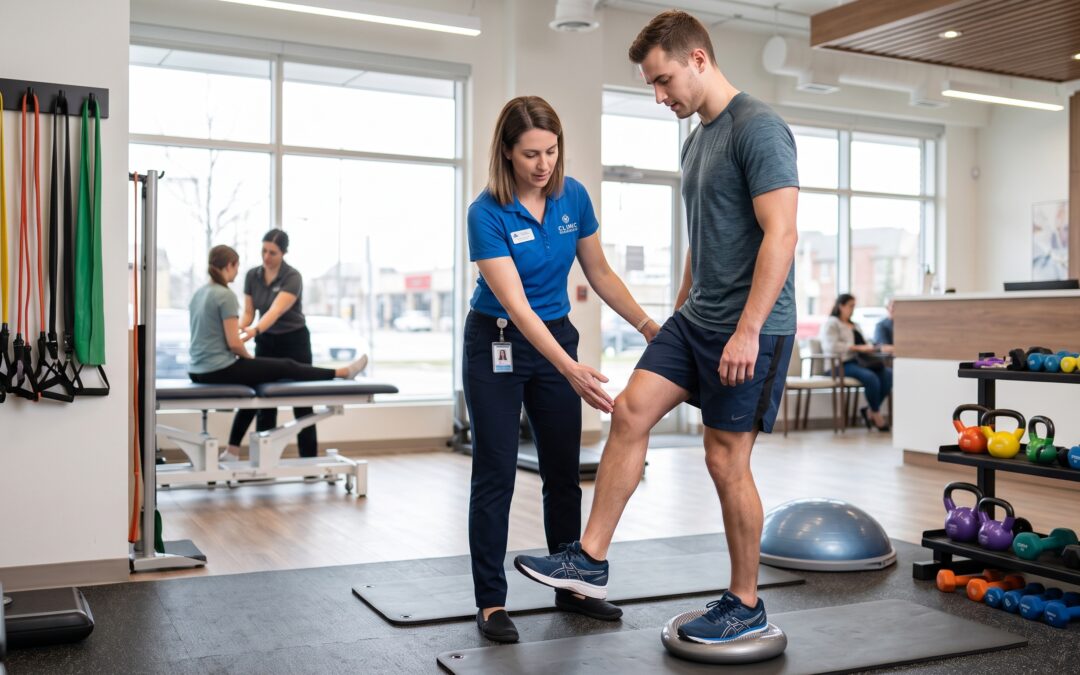
Purpose & Scope
Purpose
Scope
Executive Summary
Many people expect a sports injury to heal once the pain fades. Yet for countless recreational and competitive athletes, discomfort returns weeks or months later, sometimes worse than before. Whether it’s a recurring ankle sprain, persistent shoulder pain, or ongoing knee discomfort, repeated injuries can interrupt training, affect work, and reduce confidence in movement.
Modern sports rehabilitation focuses on more than symptom relief. It aims to identify contributing factors such as movement patterns, strength deficits, flexibility, training habits, recovery strategies, and biomechanical considerations. By combining individualized assessment with progressive rehabilitation, healthcare professionals help patients return to activity while working to reduce the risk of future injury.
This guide explains why sports injuries often recur, what modern rehabilitation involves, and how an evidence-informed approach may support long-term recovery for active individuals in Markham and surrounding communities.
Soft Hook
Pain is not always the problem.
Many sports injuries seem to improve after a few weeks, only to return during the next game, workout, or training session.
The real question isn’t:
“Why does it hurt again?”
The better question is:
“What wasn’t fully addressed the first time?”
In 2026, sports rehabilitation is increasingly focused on understanding the whole movement system rather than simply treating the area where pain is felt.
Why Sports Injuries Keep Returning
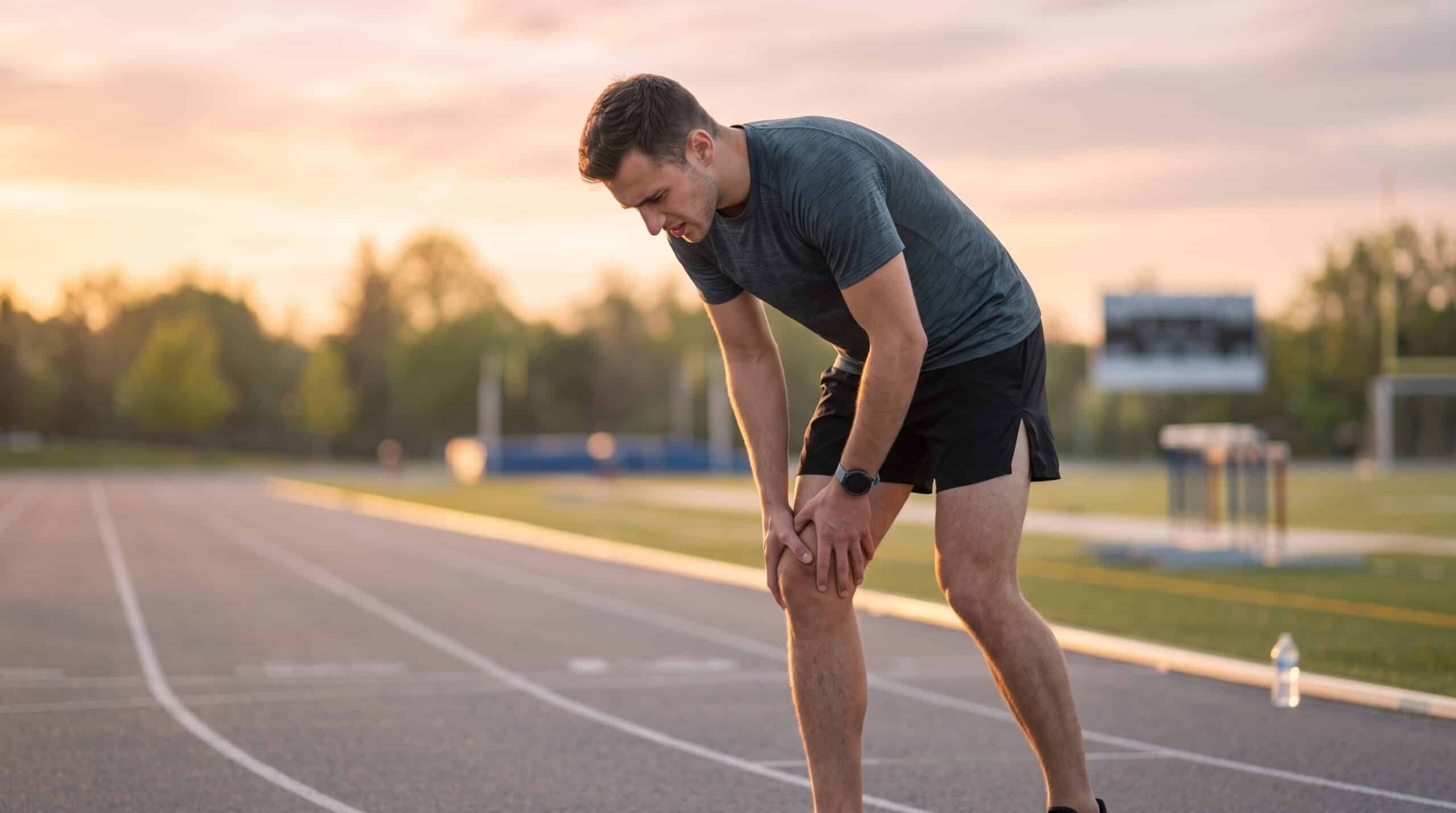
Many people assume recurring injuries are simply “bad luck.”
In reality, recurring injuries often involve multiple contributing factors rather than a single cause.
These may include:
- Returning to sport too soon
- Incomplete rehabilitation
- Persistent weakness
- Reduced mobility
- Poor movement mechanics
- Muscle imbalances
- Training load changes
- Recovery habits
- Previous injury history
Pain often decreases before tissues regain full strength or function. Returning to high-demand activities before rebuilding capacity may increase the likelihood of setbacks.
Healing Is Not the Same as Recovery
This is one of the biggest misconceptions in sports medicine.
Pain reduction does not necessarily mean the body is ready for full athletic performance.
A person may:
- Walk comfortably
- Climb stairs
- Lift light weights
- Feel “almost normal”
Yet still lack the strength, coordination, endurance, balance, or movement control required for running, jumping, pivoting, or rapid directional changes.
Modern rehabilitation emphasizes restoring function—not simply waiting for pain to disappear.
The Hidden Recovery Mistakes Many Athletes Make
Stopping Rehabilitation Too Early
Feeling better often leads people to stop exercises before recovery is complete.
Progressive rehabilitation typically continues beyond pain reduction to help restore strength, mobility, and confidence.
Focusing Only on the Painful Area
Pain in the knee may be influenced by:
- Hip strength
- Ankle mobility
- Core stability
- Running mechanics
Similarly, shoulder discomfort may relate to posture, thoracic mobility, or movement patterns elsewhere in the body.
An assessment considers the body as a connected system.
Ignoring Strength Training
Rest has an important role during early recovery, but long-term rehabilitation often includes progressive strengthening to help tissues adapt to future demands.
Without rebuilding strength, the same structures may remain vulnerable when activity resumes.
Returning Too Quickly
Athletes are often eager to get back to training.
However, returning before meeting functional milestones may increase the chance of recurring symptoms.
Sports rehabilitation programs frequently include gradual progression based on individual readiness rather than the calendar alone.
Treating Every Injury the Same
Two people with similar pain may require very different rehabilitation plans depending on:
- Age
- Activity level
- Sport
- Medical history
- Goals
- Previous injuries
Personalized care recognizes these differences rather than relying on a one-size-fits-all approach.
Pain Doesn't Always Reveal the Full Picture
Pain is an important signal, but it does not always reflect tissue damage or recovery status.
Some individuals have:
- Significant pain with minimal structural findings.
Others have:
- Imaging changes with little or no pain.
Clinical assessment combines history, movement evaluation, functional testing, and patient goals to build a more complete understanding of the condition.
Modern Sports Rehabilitation: Looking Beyond Symptoms
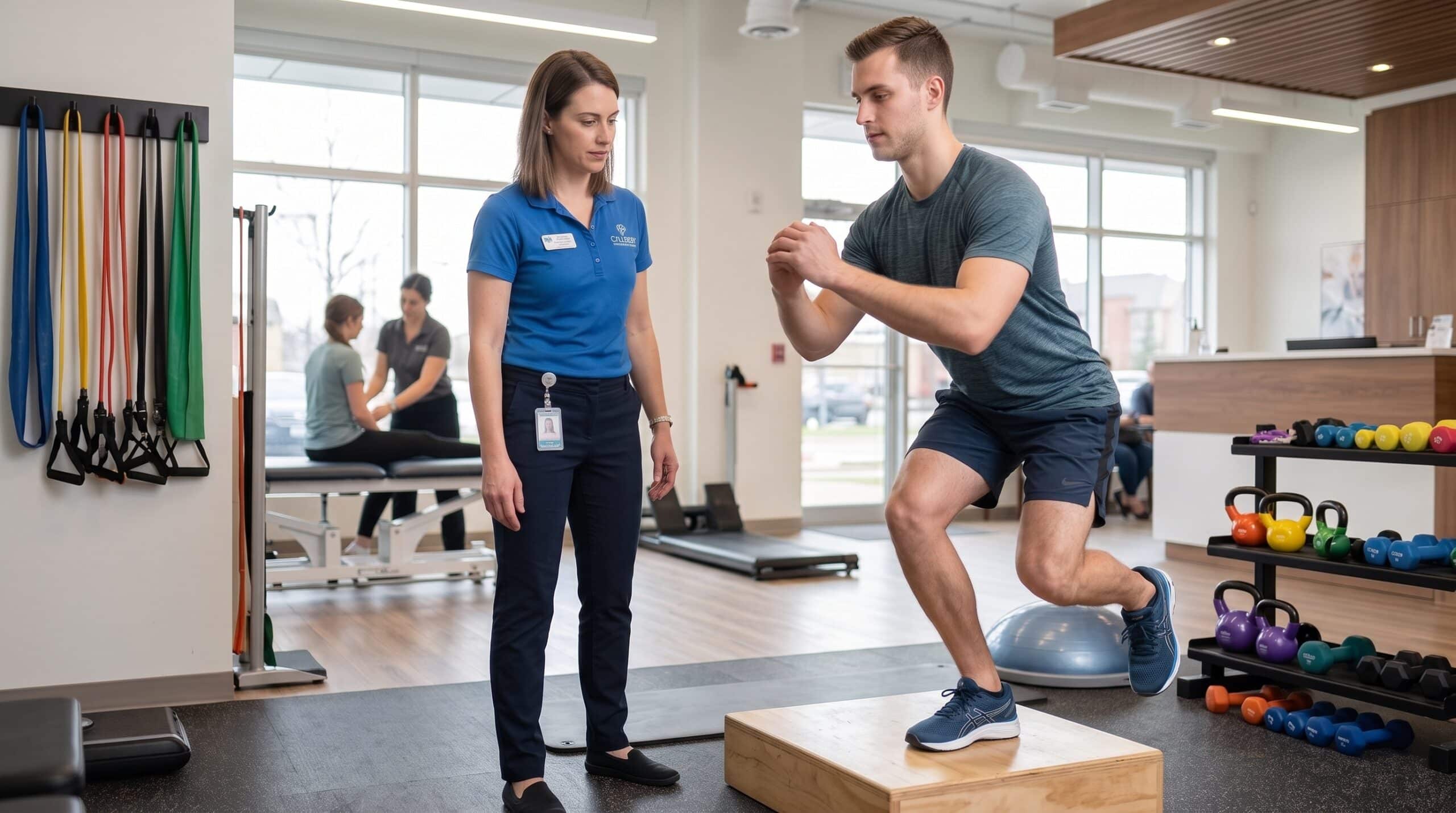
Sports rehabilitation has evolved considerably.
Rather than focusing solely on reducing pain, many rehabilitation programs now include:
Comprehensive Assessment
Understanding:
- Injury history
- Movement quality
- Strength
- Flexibility
- Sport-specific demands
- Recovery goals
Progressive Exercise Therapy
Exercises are gradually advanced to improve:
- Mobility
- Strength
- Endurance
- Balance
- Coordination
- Power
- Sport-specific performance
Education
Patients learn strategies to:
- Manage training load
- Support recovery
- Recognize warning signs
- Reduce unnecessary fear of movement
- Make informed decisions about returning to activity
Return-to-Sport Planning
Returning safely often involves meeting functional goals rather than relying on a fixed timeline alone.
The Science Behind Long-Term Sports Recovery: Why Personalized Rehabilitation Matters in 2026
Structure: Problem → Solution → Evidence-Informed Practice → Patient Benefit
Why a Sports Injury Is Rarely Just About the Injured Body Part
Imagine twisting your ankle while playing soccer.
Weeks later, the swelling is gone. You can walk normally. You decide to return to the field.
Within minutes, the same ankle gives way again.
Many people assume the ankle simply “didn’t heal.”
In reality, recurring injuries often involve a combination of physical, functional, and movement-related factors that extend beyond the injured joint.
Modern sports rehabilitation aims to identify these contributing factors through a comprehensive assessment instead of focusing only on the painful area.
This whole-person approach has become increasingly important as clinicians recognize that the body functions as an interconnected system.
The Four Pillars of Modern Sports Rehabilitation
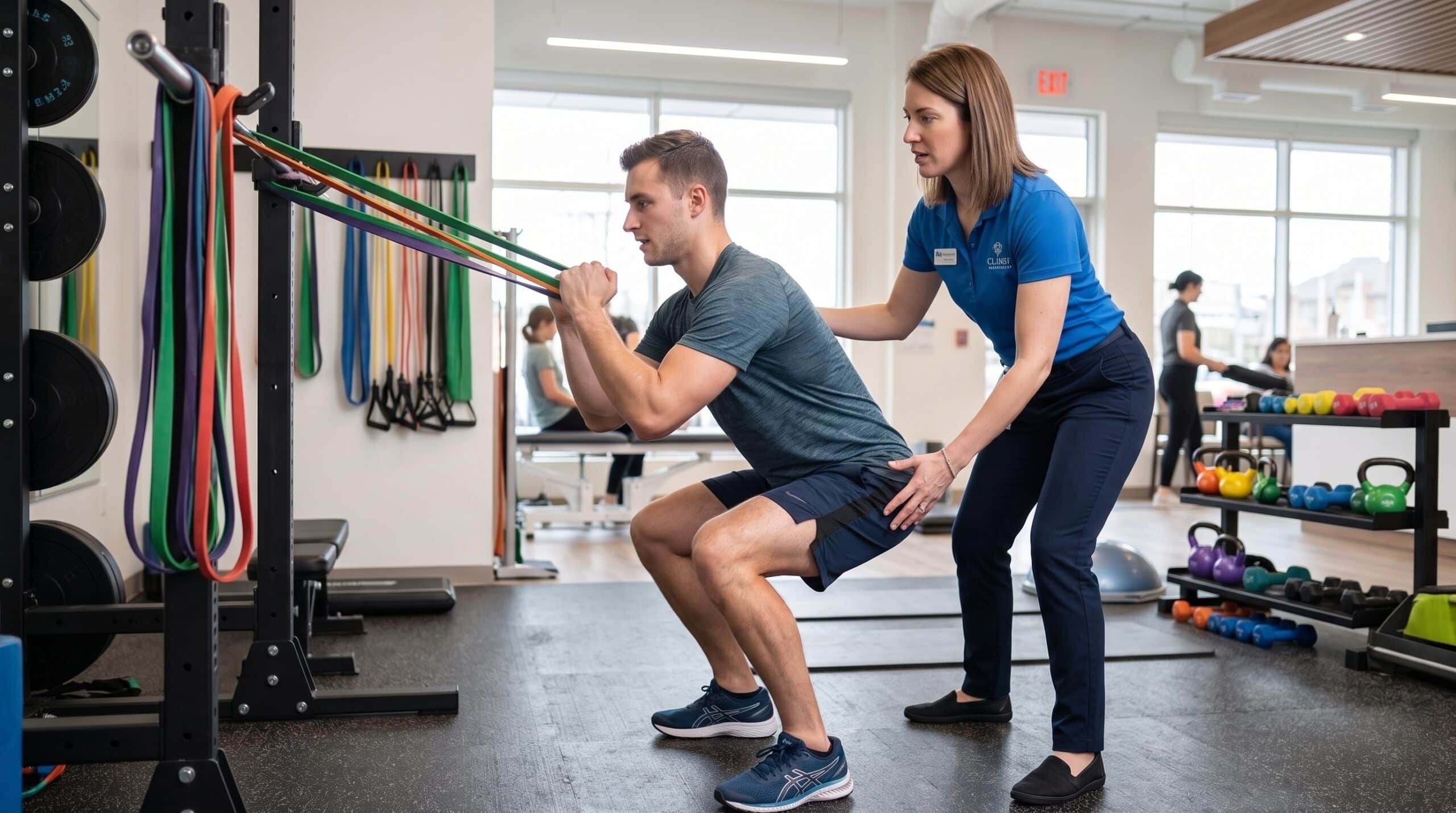
Rather than asking only,
“Where does it hurt?”
Today’s rehabilitation asks,
“Why is this tissue being overloaded?”
Modern rehabilitation often includes four interconnected pillars.
Movement Quality Assessment
Every athlete develops movement habits.
Some are efficient.
Others slowly place additional stress on muscles, tendons, ligaments, or joints.
Clinicians may assess:
- Walking mechanics
- Running technique
- Jumping and landing control
- Squat mechanics
- Balance
- Single-leg stability
- Shoulder mechanics
- Hip mobility
- Spine mobility
- Functional movement patterns
These observations help identify movement strategies that may contribute to recurring symptoms.
Strength Assessment
Pain often causes muscles to become less active.
Even after symptoms improve, strength deficits may remain.
Modern rehabilitation frequently evaluates:
- Core strength
- Hip stability
- Quadriceps strength
- Hamstring function
- Calf strength
- Shoulder stability
- Rotator cuff function
- Grip strength
- Single-leg control
Improving strength can help prepare the body for the physical demands of daily life and sport.
Mobility Assessment
Restricted movement in one area may increase stress elsewhere.
Examples include:
- Limited ankle mobility increasing knee stress
- Reduced hip mobility affecting the lower back
- Thoracic stiffness influencing shoulder movement
- Tight calf muscles affecting running mechanics
Mobility training is individualized rather than based on generic stretching routines.
Load Management
One of the fastest ways to develop an overuse injury is increasing training too quickly.
Examples include:
- Doubling weekly running distance
- Returning to hockey after months away
- Playing several pickleball matches in one weekend
- Increasing gym intensity without gradual progression
Modern rehabilitation often includes guidance on balancing activity and recovery according to individual goals and tolerance.
Common Sports Injuries Seen in Active Adults
Every sport presents different physical demands.
Some injuries are sudden.
Others develop gradually over time.
Running Injuries
Common concerns include:
- Runner’s knee
- Achilles tendon discomfort
- Shin pain
- Plantar heel pain
- Hip overuse injuries
These conditions often involve training volume, footwear, strength, and running mechanics.
Hockey Injuries
Because hockey combines speed, rotation, and contact, athletes may experience:
- Shoulder injuries
- Hip and groin pain
- Knee ligament injuries
- Lower back discomfort
- Concussions
Rehabilitation frequently includes sport-specific progression before returning to competition.
Pickleball Injuries
As pickleball continues to grow across Canada, clinicians increasingly see:
- Tennis elbow
- Rotator cuff irritation
- Achilles injuries
- Calf strains
- Knee pain
Because the sport involves repeated acceleration and directional changes, rehabilitation may include agility, balance, and lower-limb strengthening.
Soccer Injuries
Common examples include:
- Ankle sprains
- ACL injuries
- Hamstring strains
- Groin injuries
- Quadriceps strains
Progressive rehabilitation helps athletes rebuild movement confidence while preparing for cutting, sprinting, and kicking.
Golf Injuries
Golf places repeated rotational demands on the body.
Common issues include:
- Low back discomfort
- Elbow pain
- Shoulder pain
- Hip stiffness
Movement efficiency can be just as important as flexibility alone.
What Makes Rehabilitation Different Today?
Twenty years ago, treatment often emphasized passive care.
Patients frequently relied on:
- Heat
- Ice
- Massage
- Electrical stimulation
- Rest
While these approaches may provide temporary symptom relief for some individuals, contemporary rehabilitation increasingly emphasizes active participation.
Today’s rehabilitation commonly includes:
- Individualized exercise
- Functional strengthening
- Movement retraining
- Balance training
- Sport-specific progression
- Education
- Recovery planning
- The objective is to improve function while helping patients return to meaningful activities safely.
A Personalized Rehabilitation Journey
Every patient begins somewhere different.
An office worker training for a first 10K run has different goals than a competitive hockey player returning after surgery.
Personalized rehabilitation considers:
- Current fitness level
- Occupation
- Previous injuries
- Sport
- Training schedule
- Lifestyle
- Recovery goals
- Functional demands
Individualized care helps ensure rehabilitation is relevant to each person’s needs rather than following a standardized protocol.
The Role of Evidence-Informed Care
Sports medicine continues to evolve as new research becomes available.
Evidence-informed rehabilitation combines:
- Current scientific evidence
- Clinical expertise
- Individual patient goals
- Patient preferences
- Functional assessment findings
This balanced approach recognizes that treatment decisions should be guided by both research and the unique needs of each patient.
Supporting Recovery Beyond the Clinic
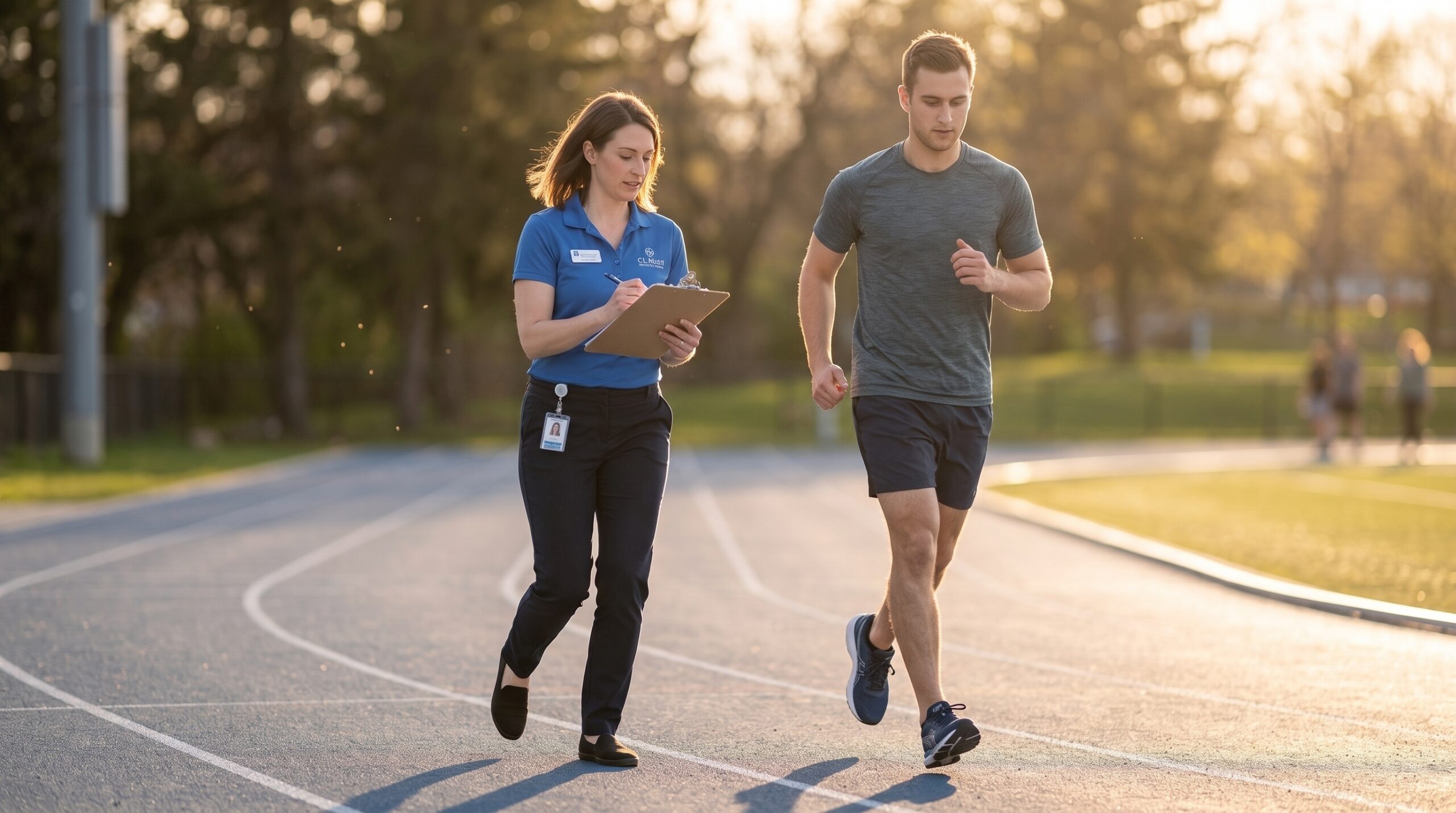
Recovery does not stop when an appointment ends.
Successful rehabilitation often includes:
- Home exercise programs
- Activity modification
- Recovery strategies
- Sleep habits
- Gradual return-to-sport planning
- Communication with coaches when appropriate
- Education about injury prevention
Helping patients understand why they are performing specific exercises often improves confidence and long-term participation.
Why Early Assessment Can Make a Difference
Not every sports injury requires immediate treatment.
However, persistent pain, repeated injuries, reduced performance, or uncertainty about returning to activity are good reasons to seek an assessment.
An early evaluation may help identify factors contributing to ongoing symptoms and guide appropriate next steps before small issues become larger interruptions to sport or daily life.
Local Insight for Markham Athletes
Markham has a vibrant and active community, with residents participating in running clubs, youth sports, hockey, soccer, tennis, pickleball, golf, and fitness training throughout the year.
These activities support health and well-being, but they can also place repeated demands on the body.
At True Integration Rehabilitation & Wellness, Dr. Diana Cho and the clinical team work with active individuals to assess movement, understand recovery goals, and develop personalized rehabilitation plans designed to support safe, confident return to activity. Treatment recommendations are tailored to the individual’s condition, lifestyle, and goals rather than relying on a one-size-fits-all approach.
Frequently Asked Questions About Sports Injury Rehabilitation (2026)
These FAQs answer real patient questions in natural language, making them ideal for voice search and AI-generated search experiences.
- What is sports injury rehabilitation?
Sports injury rehabilitation is a personalized process that helps people recover from injuries related to physical activity. It may include assessment, education, exercise therapy, manual therapy when appropriate, and progressive return-to-activity planning based on the individual’s goals. - Do I need sports rehabilitation if my injury feels better?
Pain improvement is encouraging, but it does not always mean strength, mobility, balance, or movement control have fully returned. A professional assessment can help determine whether you are ready to safely resume your activities. - How long does sports rehabilitation take?
Recovery varies depending on the injury, the individual’s health, activity demands, and adherence to the rehabilitation plan. Your clinician can provide an estimate after a comprehensive assessment. - Can rehabilitation help prevent future injuries?
Rehabilitation often includes exercises, education, and movement strategies designed to address contributing factors that may reduce the likelihood of recurrent injuries. No program can guarantee prevention, but targeted rehabilitation can improve physical preparedness. - What happens during my first appointment?
A typical initial assessment may include:
- Review of your medical and injury history
- Discussion of your activity goals
- Observation of movement patterns
- Functional testing
- Strength and mobility assessment
- Development of an individualized rehabilitation plan
- Can I continue exercising during rehabilitation?
In many cases, modified activity is possible. Your rehabilitation plan should be tailored to your condition and may include recommendations about which activities are appropriate during recovery. - Do I need imaging before starting rehabilitation?
Not always. Many musculoskeletal conditions can be assessed clinically. If imaging or referral is appropriate, your healthcare provider can discuss this with you. - Is sports rehabilitation only for competitive athletes?
No. Sports rehabilitation can benefit anyone whose lifestyle includes physical activity, from recreational exercisers and weekend warriors to youth athletes and older adults seeking to remain active.
Yes. Persistent symptoms from previous injuries may benefit from reassessment to identify ongoing movement, strength, or functional limitations that can be addressed through an updated rehabilitation program. - Why does my injury keep coming back?
Recurring injuries may be influenced by factors such as incomplete rehabilitation, returning to activity too soon, strength deficits, mobility limitations, movement mechanics, or training load. A comprehensive assessment can help identify contributing factors.
Why Choose True Integration Rehabilitation & Wellness in Markham?
When choosing a rehabilitation clinic, many patients look for more than symptom relief. They want clear communication, individualized care, and a plan that supports their long-term health and activity goals.
At True Integration Rehabilitation & Wellness, Dr. Diana Cho and the clinical team emphasize personalized assessment, evidence-informed rehabilitation, and collaborative care tailored to each patient’s needs. Treatment plans are designed around functional goals, lifestyle, and the activities that matter most to the individual.
Whether you’re recovering from a recent sports injury or managing recurring symptoms, the focus is on helping you move with greater confidence and supporting a safe return to the activities you enjoy.
Internal Links
- /sports-injury-rehabilitation
https://trueintegrationwellness.ca/blog/sports-injury-rehabilitation-2026/
https://trueintegrationwellness.ca/blog/functional-mobility-training-rehabilitation-markham/
- /physiotherapy
https://trueintegrationwellness.ca/blog/integrated-rehab-markham/
https://trueintegrationwellness.ca/services/
- /chiropractic-care
https://trueintegrationwellness.ca/?s=chiropractic+care
https://trueintegrationwellness.ca/services/
- /massage-therapy
https://trueintegrationwellness.ca/?s=massage+therapy
https://trueintegrationwellness.ca/services/
- /custom-orthotics
https://trueintegrationwellness.ca/?s=custom+orthotics
- /about-dr-diana-cho
https://trueintegrationwellness.ca/
- /book-an-appointment
https://trueintegrationwellness.ca/booking/
External Links
- Canadian Physiotherapy Association
https://physiotherapy.ca/
- Sport Medicine literature and consensus statements
https://acsm.org/education-resources/pronouncements-scientific-communications/team-physician-consensus-statements/
https://www.amssm.org/Publications.php
- Exercise and physical activity guidelines from recognized public health organizations
https://www.who.int/initiatives/behealthy/physical-activity
https://acsm.org/education-resources/trending-topics-resources/physical-activity-guidelines/
- Peer-reviewed rehabilitation research where appropriate
https://www.sciencedirect.com/journal/rehabilitation-research
Ready to Get Back to the Activities You Enjoy?
Whether you’re recovering from a recent injury or dealing with recurring pain that keeps interrupting your active lifestyle, an individualized assessment can help clarify your next steps.
At True Integration Rehabilitation & Wellness, our team works with patients to understand their goals, evaluate movement, and develop personalized rehabilitation plans designed to support recovery and return to activity.
-
Book an appointment today to begin your personalized rehabilitation journey.
https://trueintegrationwellness.ca/booking/
CTA Buttons
- Book Your Assessment
https://trueintegrationwellness.ca/booking/
- Request an Appointment
https://trueintegrationwellness.ca/booking/
- Contact Our Team
https://trueintegrationwellness.ca/contact-us/
- Learn About Sports Rehabilitation
https://trueintegrationwellness.ca/?s=sports-injury-treatment