

Living with persistent discomfort often feels like an uphill battle where your own body is the obstacle. At True Integration Wellness, we understand that “Movement Therapy & Pain Recovery” is not just a service, it is a roadmap back to the activities you love. Whether you are recovering from a sports injury or managing long-term stiffness, our Markham-based clinic bridges the gap between passive relief and active, functional freedom.
The State of Functional Health in Ontario (2024-2026)
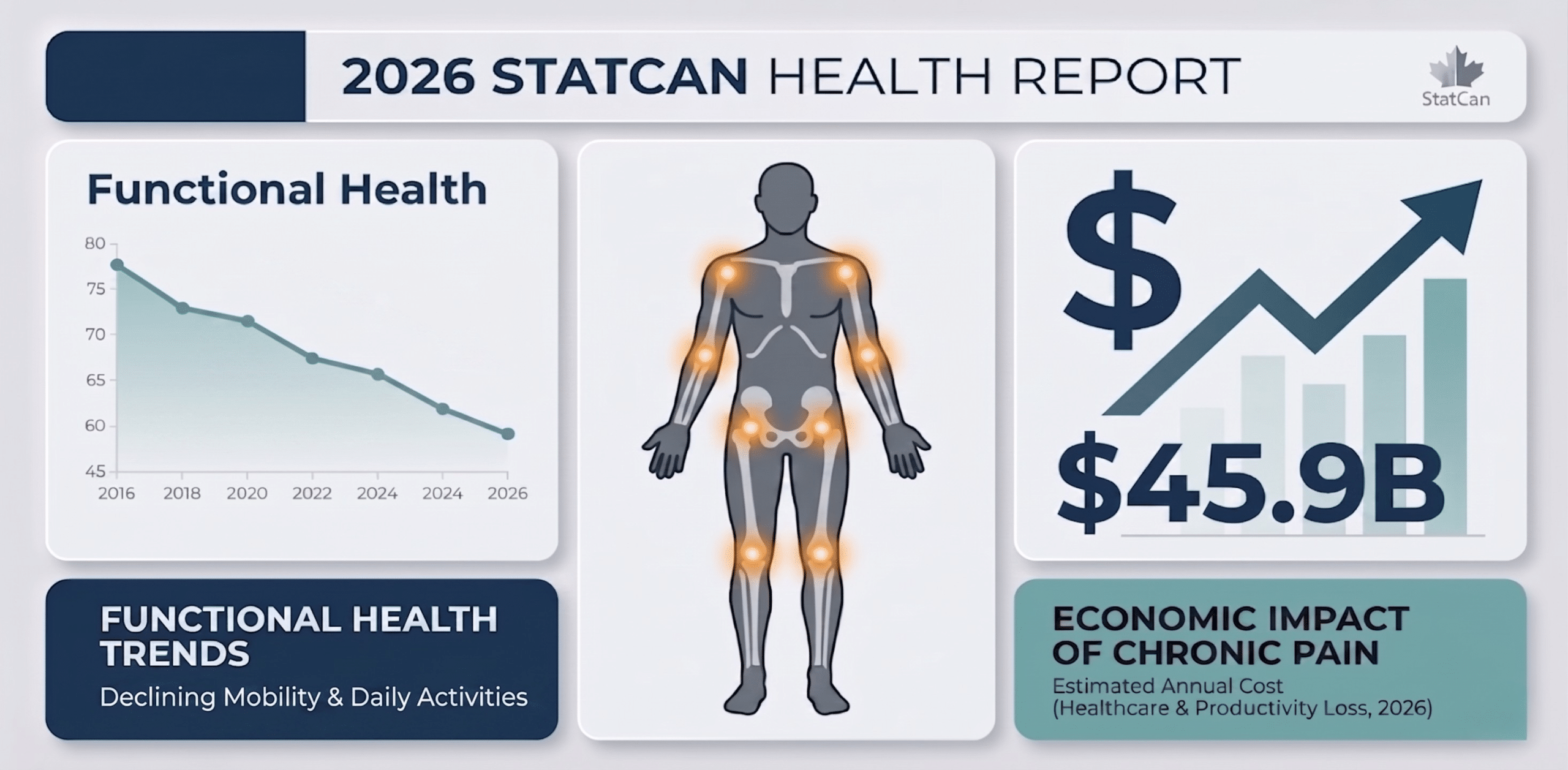
Recent data indicates that the need for structured recovery is more urgent than ever. According to Statistics Canada, the percentage of Canadian adults reporting “very good to perfect” functional health has declined to 56.4%, a significant drop from previous years as sedentary lifestyles and aging populations shift the health landscape. This decline is largely attributed to an increase in reported chronic pain and decreased mobility. Furthermore, with millions of Canadians living with musculoskeletal conditions, the economic and personal toll of chronic pain has reached an estimated $45.9 billion annually.
What is Movement Therapy?
Movement therapy is a specialized, evidence-based approach that utilizes a scientific understanding of how the body responds to physical activity to reduce pain and improve function. Unlike a standard gym routine, it is tailored to your specific physiological limitations and recovery goals.
Active vs. Passive Recovery
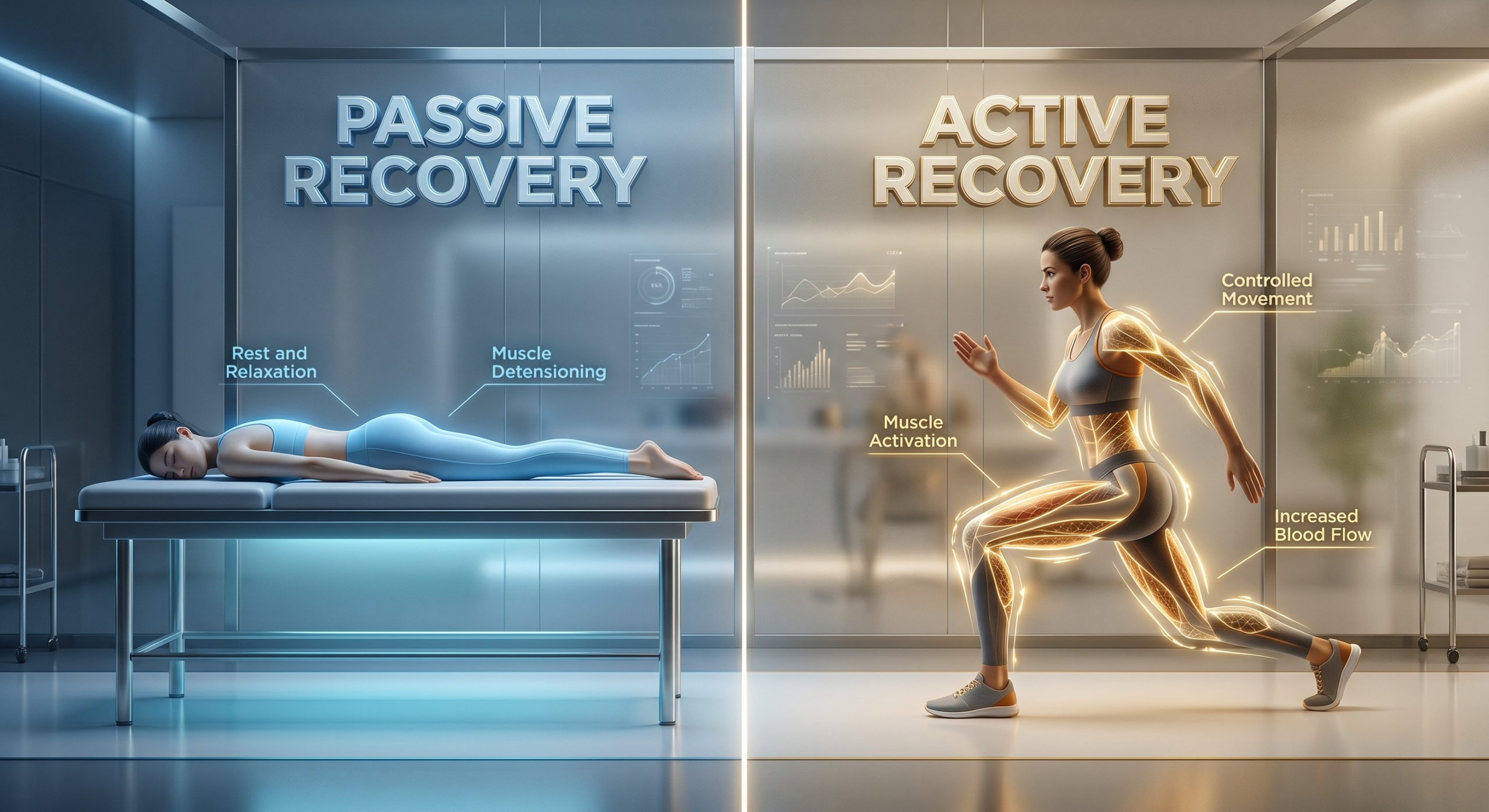
While passive treatments like massage therapy or spinal decompression are vital for initial relief, long-term Movement Therapy & Pain Recovery requires an active component. A Level I Bayesian network meta-analysis published in PubMed found that active physiotherapy where patients perform specific exercises to improve mobility and strength shows superior results for managing chronic low-back pain compared to passive-only treatments.
Benefits of Functional Movement for Chronic Pain
Implementing a movement-based recovery plan offers several clinically-proven advantages:
-
Reduced Pain Sensitivity
Controlled exercise promotes the release of natural analgesics like endorphins and serotonin, which help “turn off” pain signals in the brain.
-
Decreased Medication Reliance
Structured movement programs have been shown to help patients reduce their reliance on pain medications by 30-40% by improving the body’s natural resilience.
-
Improved Mental Health
Physical activity helps combat the anxiety and depression that often accompany chronic conditions, providing a biological boost to mood and outlook.
https://extension.usu.edu/heart/research/exercise-and-chronic-pain
The True Integration Approach: Assessment to Action
Our process at True Integration Wellness is designed to ensure you aren’t just “getting treated,” but actually healing. We follow a strict protocol: Assessment → Diagnosis → Treatment. Your first 60-minute session includes a deep-dive assessment to find the root cause of your pain, followed by hands-on care.
We combine chiropractic care, registered massage therapy, and acupuncture with advanced tools like spinal decompression to create a “hybrid” recovery model. Our goal is to make your health journey Findable, Trustable, and Actionable. If you are ready to reclaim your mobility, you can start your pain recovery by booking an initial assessment today.
FAQs
What is the best type of movement therapy for chronic pain?
Evidence suggests that “active” movement therapy, which includes strength and flexibility exercises tailored by a professional, is the most effective for long-term recovery. It retrains the nervous system’s response to pain while building physical resilience.
Can movement therapy help with arthritis?
Yes. Functional movement helps maintain joint range of motion and strengthens the supporting muscles, which reduces the load on the joints. This is a critical component of managing arthritis as highlighted in the 2026 Arthritis Canada Report.
How long does a typical pain recovery session last?
At True Integration Wellness, initial sessions are 60 minutes long, comprising a comprehensive assessment followed by targeted treatment to ensure the root cause of the pain is addressed immediately.