
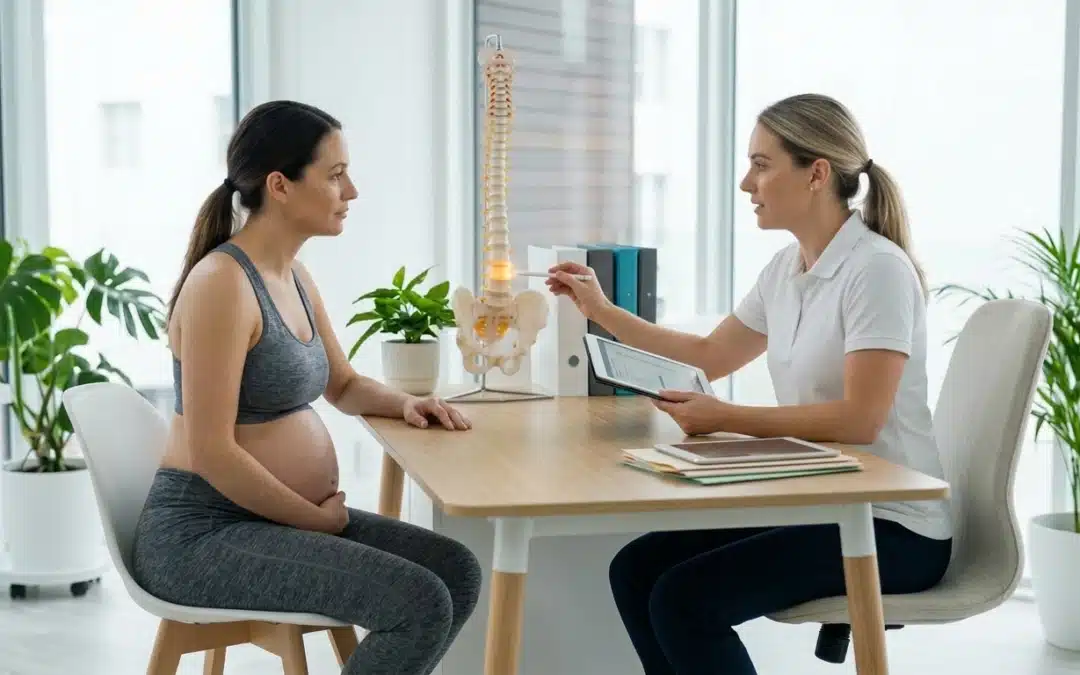
The “Fourth Trimester” is a crucial period for physical recovery, but many women in Markham lack a clear plan for returning to movement. At True Integration Rehab & Wellness, postpartum rehab services offer a clinical and evidence-based approach to help you transition from delivery to your daily activities or sports.
What is postpartum rehab?
It is a specialized branch of physical rehabilitation that focuses on restoring the pelvic floor, abdominal wall (core), and lumbopelvic stability following childbirth.
When should I start postnatal rehab?
While gentle breathing exercises can begin days after birth, most clinical programs initiate formal assessments between 3 and 6 weeks postpartum, as guided by the CSEP 2025 Guidelines.
Can rehab help with Diastasis Recti?
Yes. Targeted “anti-core” movements and pressure management strategies are primary clinical interventions for reducing inter-recti distance.
Do I need rehab if I had a C-section?
Absolutely. C-section recovery requires specific scar tissue mobilization and deep core retraining that differs from vaginal birth recovery.
The Clinical Importance of Postpartum Rehab in Markham
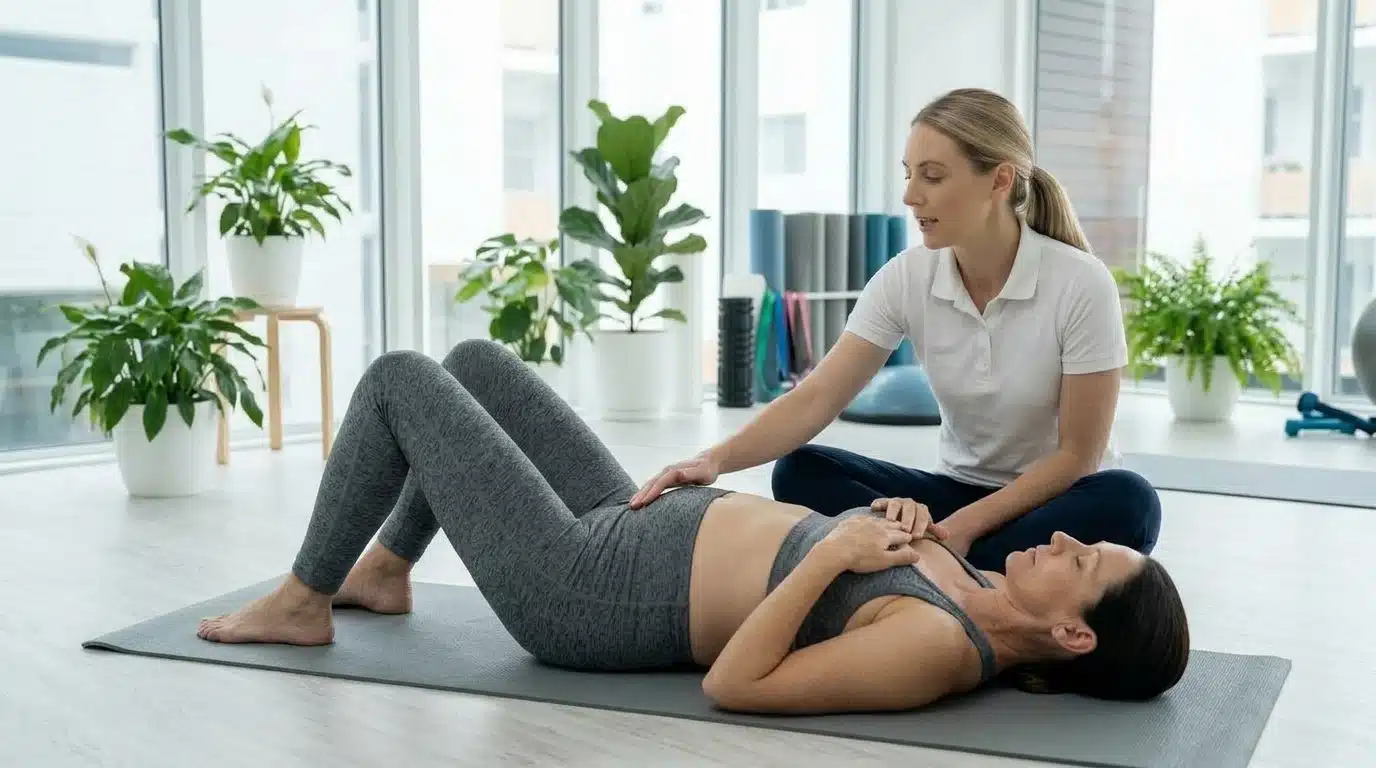
Pregnancy and childbirth bring about significant changes to the body’s mechanics. Postpartum rehabilitation in Markham is not just about “getting your body back”; it’s about restoring the functional integrity of the systems that support your spine and internal organs.
Recent clinical data indicate that early intervention, ideally within the first 12 weeks after delivery, can greatly reduce the long-term risks of urinary incontinence and pelvic organ prolapse. Our Integrated Physical Rehab approach ensures that your recovery is overseen by professionals who understand the relationship between joint mechanics and the healing of soft tissues.
Key Conditions Addressed
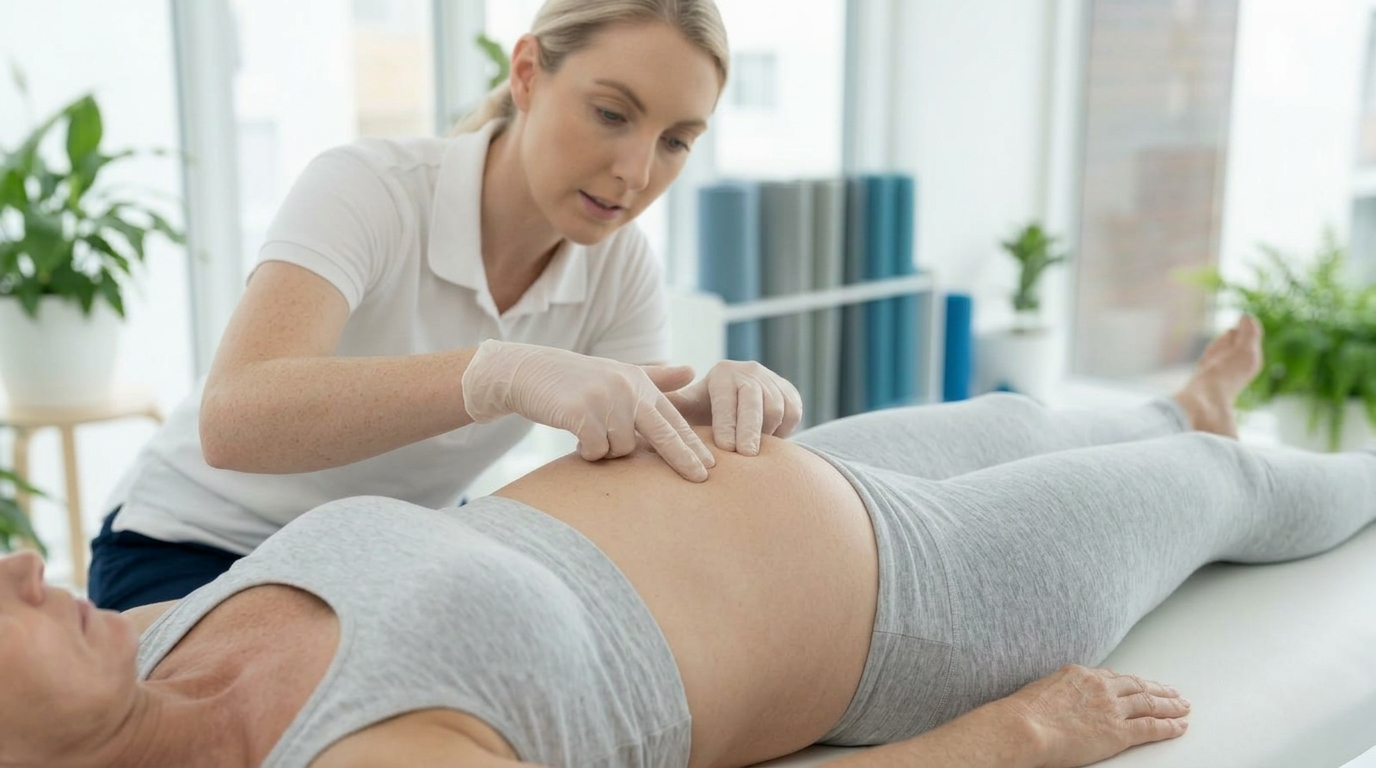
Our clinicians focus on several primary pillars of postnatal health:
- Diastasis Recti (Abdominal Separation): Assessment of the “gap” and, more importantly, the tension of the Linea alba.
- Pelvic Floor Dysfunction: Addressing heaviness, leaking, or pain.
- Lumbopelvic Pain: Managing the “mom-back” caused by shifting centers of gravity and repetitive lifting.
C-Section Scar Management: Improving tissue mobility to prevent restricted movement in the lower core.
The TIRW Integrated Methodology
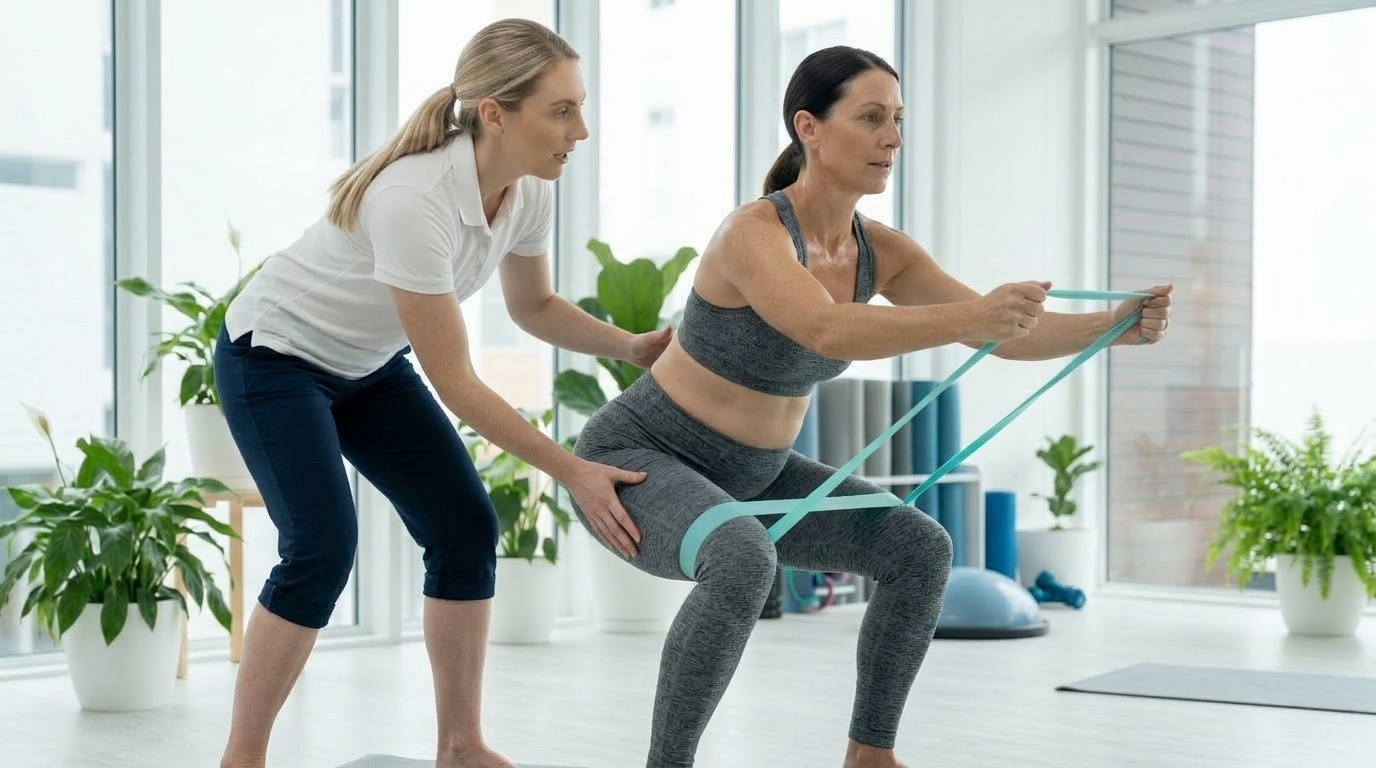
We do not believe in a one-size-fits-all “mommy fitness” class. Our approach adheres to the ACOG Postpartum Care Standards, viewing recovery as an ongoing clinical process.
- Functional Assessment: We analyze your posture, gait, and breathing patterns.
- Integrated Care: We may combine [Chiropractic Care] for pelvic alignment with specialized soft tissue work.
- Progressive Loading: Moving from diaphragmatic breathing to functional resistance training (squats, carries, and hinges).
Education: Teaching you how to lift your car seat and stroller without compromising your core pressure.
Who This Is For / Not For
- Ideal For:
Anyone 3+ weeks postpartum experiencing back pain, core weakness, “leaking,” or looking for a safe return-to-sport plan.
- Not For:
Individuals with acute post-surgical infections or those who have not yet been cleared for “light activity” by their primary OB/GYN or Midwife.
FAQs
- How many sessions are typically needed?
Most patients see significant functional improvement within 4–6 sessions, depending on their initial assessment.
- Is postpartum rehab covered by insurance?
Yes, most integrated rehab services at our Markham clinic are covered under Chiropractic or Physiotherapy extended health benefits.
- Can I bring my baby to the appointment?
Yes! We are a family-friendly clinic and understand the logistical needs of new parents.
- What if I’m years postpartum?
It is never too late. “Postpartum” is a lifelong status; we help women 5, 10, or 20 years after birth.
- Is this different from Kegels?
Yes. Clinical rehab involves much more than just Kegels, often focusing on how the pelvic floor works with the diaphragm and glutes.
Takeaway
- Postpartum rehab is essential for long-term pelvic and spinal health.
- Clinical assessment helps identify Diastasis Recti and pelvic floor dysfunction early.
- Integrated care (Chiro + Rehab) provides a faster, more stable recovery path.
- Markham moms should seek assessment between 3–6 weeks for optimal results.
Book Your Assessment
Ready to prioritize your recovery? Our Markham clinical team is here to support your transition.