
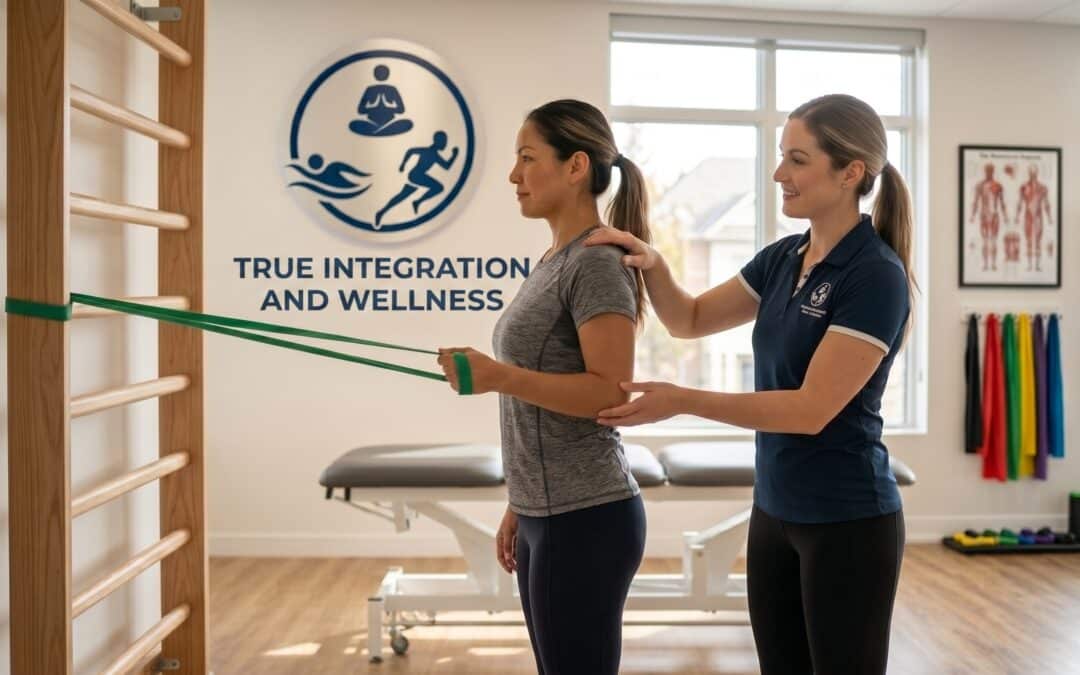
Purpose & Scope
Many individuals feel frustrated when medical imaging results show “nothing serious,” yet they continue to experience pain, stiffness, weakness, or limited movement. This article explains why pain does not always correlate with imaging findings and discusses how neuromuscular rehabilitation, functional movement assessment, massage therapy, chiropractic care, and integrated rehabilitation can help identify underlying movement dysfunctions that contribute to persistent pain. The goal is to help readers understand modern rehabilitation principles and to recognize when it is important to seek a comprehensive assessment.
Soft Hook
“Your MRI says everything looks normal.”
Yet climbing stairs still hurts.
Your shoulder aches every morning.
Your back tightens after sitting.
Your knee feels unstable every time you play hockey.
Friends tell you to “give it more time.”
But weeks become months.
Months become years.
If this sounds familiar, you’re not imagining your pain.
Pain is a complex issue. Modern rehabilitation has demonstrated that symptoms can continue even when imaging results seem normal. This is because factors such as movement quality, muscle coordination, nervous system adaptations, and biomechanics all play a role in how the body functions. Understanding these elements may be key to your recovery.
Executive Summary
Chronic pain can persist even without significant findings on X-rays or MRIs. Modern rehabilitation sees muscles, joints, nerves, posture, and movement as an integrated system. When this system is unbalanced, compensatory movement patterns can continue to cause pain even after healing. Effective rehabilitation combines functional assessments, personalized exercises, manual therapy, massage, education, and a gradual return to activity to enhance movement quality and support recovery.
Introduction
Many people expect medical imaging to provide all the answers.
When an MRI or X-ray shows no significant damage, patients often assume they should no longer feel pain. However, healthcare professionals increasingly recognize that pain is influenced by much more than structural changes alone.
Research in rehabilitation and pain science shows that persistent pain can stem from altered movement patterns, muscle imbalances, reduced joint mobility, heightened sensitivity in the nervous system, previous injuries, and compensatory habits. While these factors may not appear on imaging tests, they can greatly affect your movement and overall comfort.
At True Integration Rehabilitation & Wellness Clinic in Markham, the method of rehabilitation emphasizes understanding the individual as a whole rather than focusing solely on a scan. By integrating physical rehabilitation, chiropractic care, massage therapy, and personalized movement strategies, the clinic aims to restore healthy movement patterns and support long-term recovery.
Why Can Pain Continue When an MRI Looks Normal?
Pain serves as a signal from the body that attention is needed, but it does not always indicate the extent of structural damage.
For example:
- Muscles may remain tight long after tissues have healed.
- Weak stabilizing muscles can place additional stress on nearby joints.
- Scar tissue may restrict movement.
- The nervous system can become more sensitive following an injury.
- Compensatory movement patterns may overload healthy structures.
This helps explain why two individuals with similar MRI findings may experience very different symptoms.
A thorough clinical assessment often yields insights beyond imaging by examining how your body functions during daily activities.
Structural Damage vs. Functional Dysfunction: Understanding the Difference
Medical imaging is highly effective at detecting fractures, major ligament tears, significant disc injuries, and other structural abnormalities. However, many common sources of pain are related to how the body functions, rather than how it appears on a scan.
Examples of functional dysfunction include:
- Poor posture during work or daily activities
- Muscle weakness affecting joint stability
- Reduced flexibility limiting normal movement
- Altered walking or running mechanics
- Inadequate balance and coordination
- Delayed muscle activation
- Persistent protective movement patterns after an injury
These issues often develop gradually and can lead to persistent discomfort, decreased performance, or recurring injuries if not addressed. A personalized rehabilitation program is designed to identify these contributing factors and develop targeted strategies to enhance movement efficiency.
How the Nervous System Influences Persistent Pain
The nervous system is crucial in how we experience pain.
Following an injury, the nerves become more sensitive to protect the damaged area. In some instances, this heightened sensitivity persists even after the tissues have healed, and everyday movements become uncomfortable.
Modern rehabilitation focuses on helping the nervous system regain confidence in movement through:
- Gradual exposure to activity
- Controlled strengthening exercises
- Balance and coordination training
- Functional movement retraining
- Education about pain and recovery
- Progressive return to sport or work
Rather than avoiding movement completely, guided rehabilitation encourages safe, gradual progression that supports recovery while respecting individual comfort levels.
Internal Links
How Neuromuscular Rehabilitation Helps Restore Movement and Confidence
When pain persists despite normal imaging, rehabilitation shifts its focus from “identifying damage” to understanding how your body functions. Neuromuscular rehabilitation aims to improve communication between the brain, nerves, muscles, and joints to make movement more efficient, coordinated, and comfortable.
At True Integration Rehabilitation & Wellness Clinic, rehabilitation is tailored to each individual’s goals, lifestyle, occupation, and activity level. Rather than relying on a one-size-fits-all approach, the care plan may combine several evidence-informed strategies to support recovery.
A personalized rehabilitation program may include:
- Functional movement assessment
- Progressive strength training
- Joint mobility exercises
- Balance and proprioception training
- Core stabilization
- Manual therapy
- Soft tissue treatment
- Stretching and flexibility exercises
- Postural education
- Sport- or work-specific movement retraining
- Home exercise guidance
- Recovery planning and education
The objective is not only to reduce symptoms but also to improve movement quality, confidence, and long-term function while reducing the likelihood of recurring problems.
Why Personalized Rehabilitation Matters
Every person heals differently. Factors such as age, activity level, previous injuries, work demands, sleep, stress, and overall health can all influence recovery.
For example:
- An office worker with neck pain may benefit from ergonomic education and postural retraining.
- A runner recovering from knee pain may require gait analysis and hip-strengthening exercises.
- A hockey player returning after a shoulder injury may need progressive stability training before returning to competition.
- An older adult recovering from a fall may focus on improving balance, strength, and confidence in everyday activities.
A personalized rehabilitation plan recognizes these differences and adapts treatment accordingly.
The Role of Massage Therapy in Comprehensive Rehabilitation
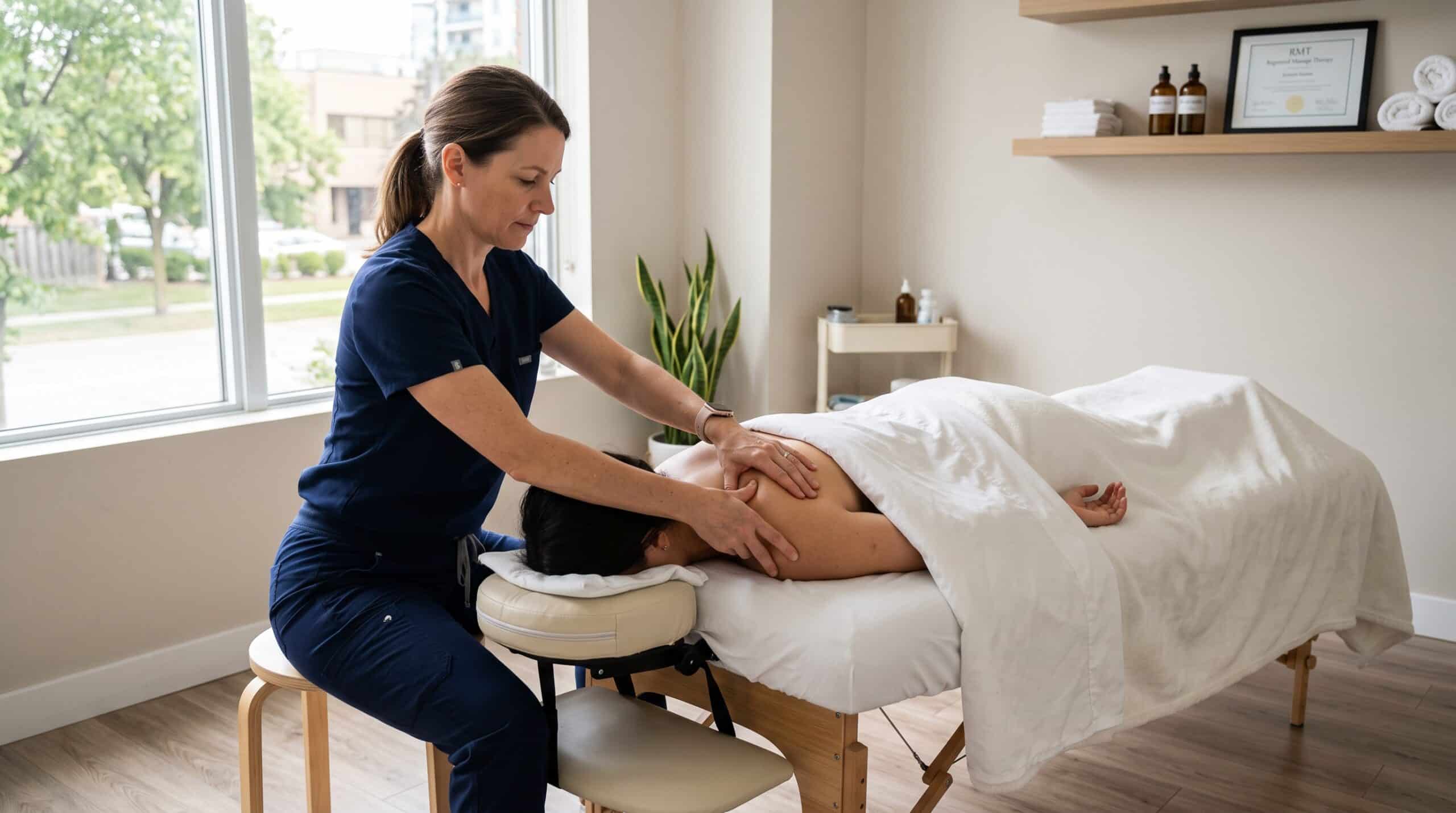
When massage therapy is incorporated into a more comprehensive rehabilitation program, it frequently works best. Although massage can ease tense muscles and encourage relaxation, many patients may benefit more functionally from combining it with movement-based therapy.
Massage therapy may help:
- Reduce muscle tightness
- Improve circulation
- Enhance flexibility
- Support soft tissue recovery
- Promote relaxation
- Improve comfort before rehabilitation exercises
- Reduce post-exercise soreness
- Encourage body awareness
When combined with targeted exercise and education, massage therapy can help prepare the body for more efficient movement.
Common conditions where massage therapy may complement rehabilitation include:
- Sports injuries
- Neck pain
- Shoulder discomfort
- Lower back pain
- Hip tightness
- Knee pain
- Plantar fasciitis
- Muscle strains
- Tendinopathy
- Overuse injuries
Internal Link:
https://trueintegrationwellness.ca/services/
Sports Injuries That Commonly Return and Why
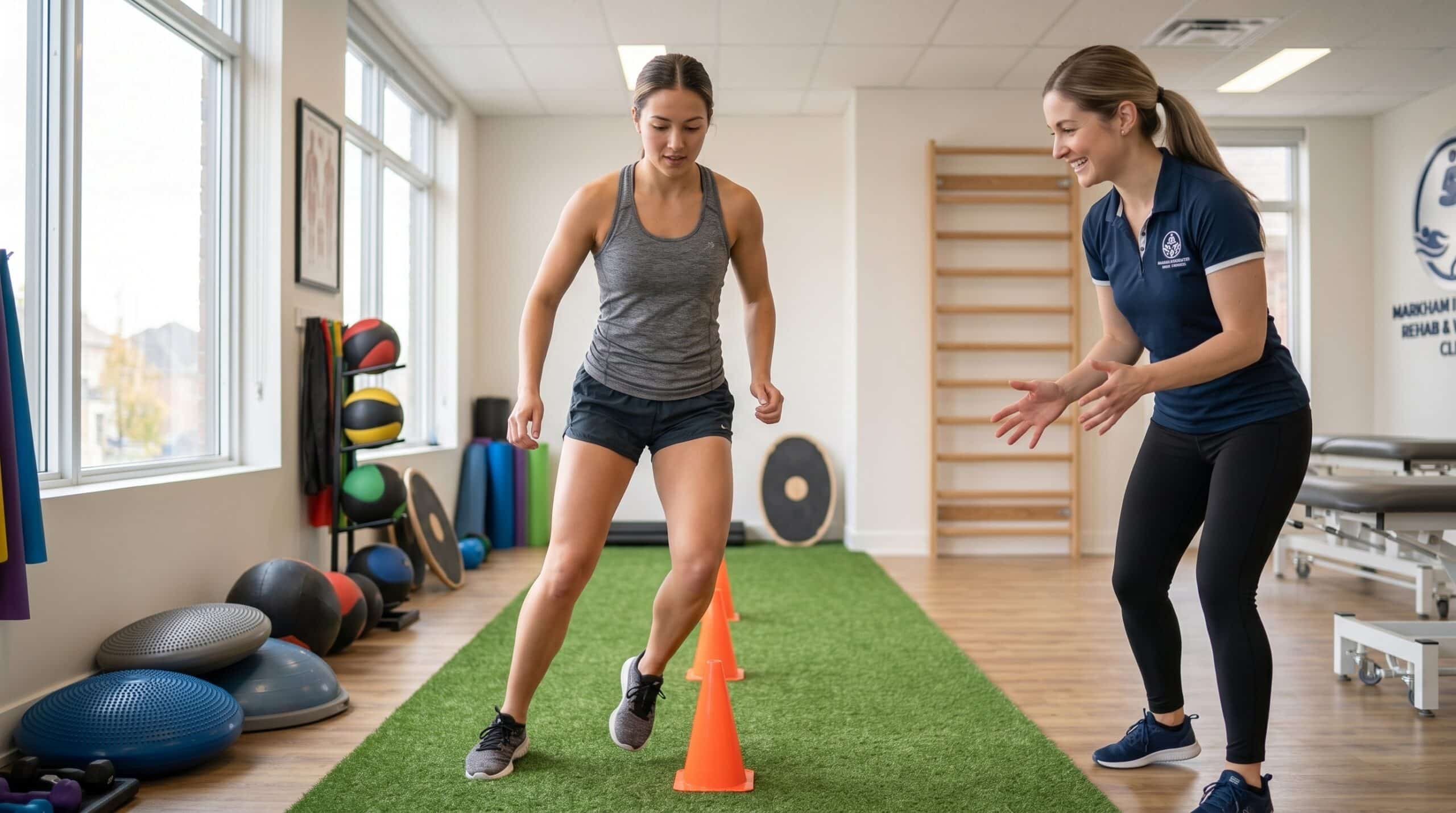
Many athletes and active individuals recover well from an initial injury but experience recurring symptoms because the underlying cause has not been fully addressed.
Common recurring injuries include:
Shoulder Injuries
- Rotator cuff irritation
- Shoulder instability
- Overhead throwing injuries
- Swimming-related shoulder pain
Knee Injuries
- Patellofemoral pain
- IT band syndrome
- Runner’s knee
- Ligament rehabilitation
Hip and Pelvic Conditions
- Hip impingement
- Gluteal weakness
- Piriformis syndrome
- Hip flexor strains
Foot and Ankle Injuries
- Achilles tendinopathy
- Ankle sprains
- Plantar fasciitis
- Running-related foot pain
Lower Back Injuries
- Mechanical back pain
- Lumbar strain
- Muscle imbalance
- Repetitive lifting injuries
Rehabilitation assesses how surrounding muscles and joints contribute to movement rather than focusing only on the sore location. This helps uncover elements that may increase the chance of reinjury.
A functional movement examination evaluates how your body performs daily and sport-specific motions, going beyond symptoms.
What Happens During a Functional Movement Assessment?
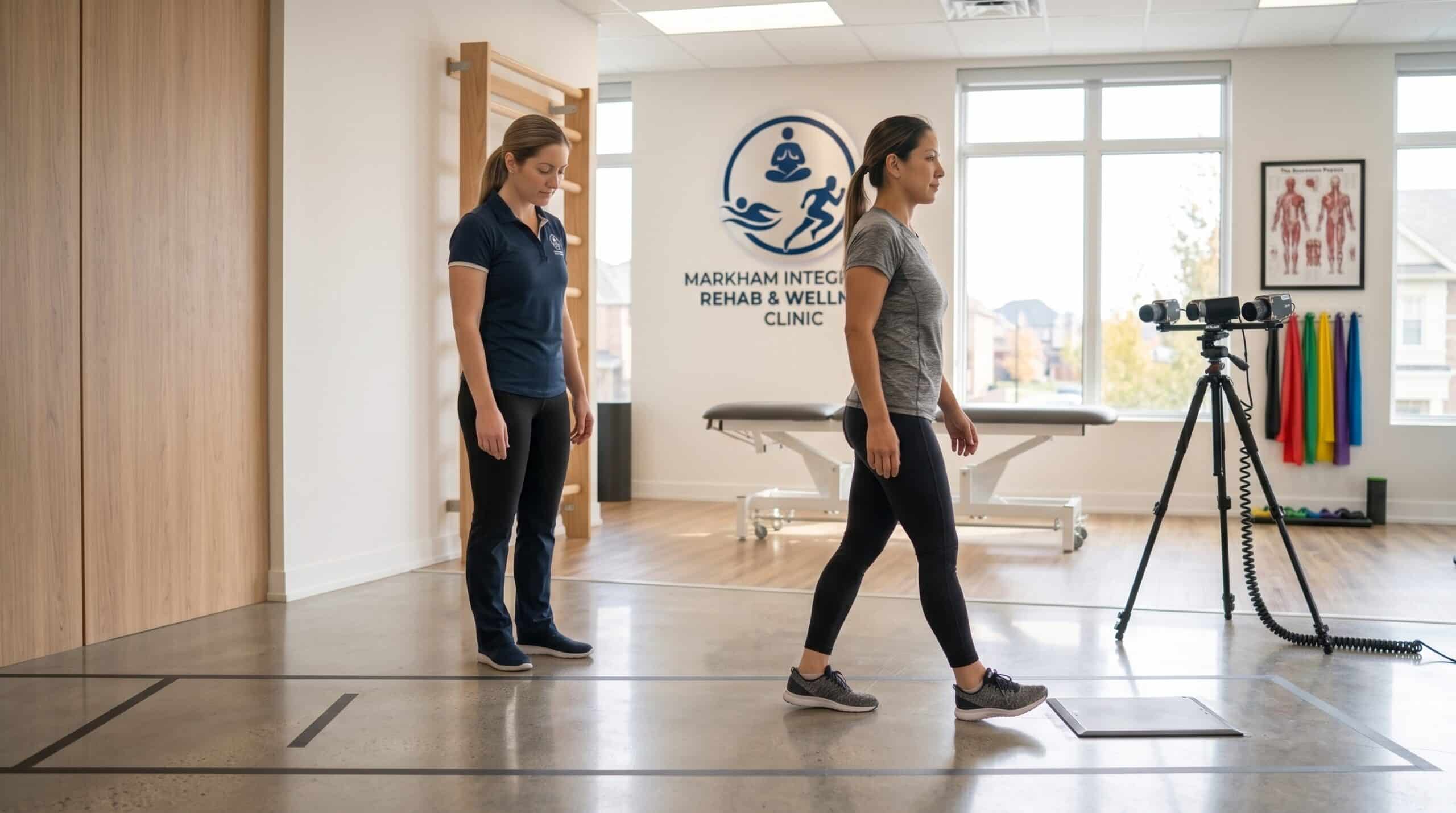
A functional movement examination evaluates how your body performs daily and sport-specific motions, going beyond symptoms.
Depending on your condition, an assessment may include:
Postural Assessment
- Standing posture
- Sitting posture
- Spinal alignment
- Shoulder position
- Pelvic alignment
Movement Screening
- Walking analysis
- Squat mechanics
- Single-leg balance
- Reaching movements
- Stair climbing
- Lifting technique
Strength Assessment
- Core stability
- Hip strength
- Shoulder control
- Leg strength
- Functional endurance
Mobility Assessment
- Joint range of motion
- Muscle flexibility
- Functional mobility
- Movement restrictions
These findings help create a rehabilitation plan tailored to your specific needs and goals.
Preventing Future Injuries Starts with Better Movement
Being pain-free is not the only aspect of recovery. Developing healthy movement habits that support daily living, employment, and leisure activities is also essential for long-term success.
Strategies that may reduce the risk of future injuries include:
- Regular strength training
- Proper warm-up routines
- Mobility exercises
- Gradual progression in activity
- Recovery between training sessions
- Ergonomic workplace adjustments
- Cross-training
- Maintaining good sleep habits
- Listening to early signs of discomfort
- Following a personalized home exercise program
Building these habits over time can contribute to better resilience and overall physical well-being.
Frequently Asked Questions (FAQs)
- Why does my MRI look normal even though I’m still in pain?
Medical imaging such as MRI and X-rays is excellent at identifying structural abnormalities like fractures, significant ligament tears, or disc injuries. However, many people experience pain due to functional issues such as muscle imbalance, altered movement patterns, joint stiffness, reduced stability, or increased nervous system sensitivity. These factors often cannot be seen on routine imaging and are best evaluated through a comprehensive clinical assessment.
- Can muscle weakness cause long-term pain?
Yes. Weak or poorly coordinated muscles may place additional stress on joints, tendons, and surrounding tissues. Over time, this can contribute to persistent discomfort, fatigue during activity, and recurring injuries. Strengthening the appropriate muscle groups is often an important part of rehabilitation.
- How is neuromuscular rehabilitation different from general exercise?
Neuromuscular rehabilitation is individualized and focuses on improving the communication between the brain, nerves, muscles, and joints. Treatment plans are based on a clinical assessment and progress gradually according to your goals, symptoms, and functional abilities rather than following a generic exercise routine.
- What conditions may benefit from neuromuscular rehabilitation?
Depending on an individual’s assessment and diagnosis, rehabilitation may be recommended for:
- Sports injuries
- Neck and back pain
- Shoulder pain
- Knee pain
- Hip pain
- Repetitive strain injuries
- Balance and mobility challenges
- Recovery after surgery
- Workplace injuries
- Persistent musculoskeletal pain
- Can massage therapy help if my MRI is normal?
Massage therapy may help reduce muscle tension, improve circulation, and support mobility. When integrated with exercise-based rehabilitation and education, it can complement a comprehensive recovery plan designed to improve overall function.
- How long does rehabilitation usually take?
Recovery timelines vary based on factors such as the type of condition, symptom duration, activity level, overall health, and individual response to treatment. Your healthcare provider can discuss an appropriate treatment plan after a comprehensive assessment.
- Can I continue exercising while receiving treatment?
In many cases, remaining active is encouraged with appropriate modifications. Your rehabilitation professional can recommend exercises and activities that support recovery while helping minimize unnecessary strain.
- What should I bring to my first appointment?
Consider bringing:
- Medical imaging reports (if available)
- A list of medications
- Comfortable clothing
- Relevant medical history
- Questions about your symptoms and goals
- Is rehabilitation only for athletes?
No. Rehabilitation supports people of all ages and activity levels, including office workers, older adults, recreational exercisers, and individuals recovering from injury or surgery.
- When should I seek professional assessment?
Consider booking an assessment if:
- Pain persists for several weeks.
- Symptoms repeatedly return.
- Movement feels restricted.
- Daily activities become more difficult.
- You are uncertain why symptoms continue despite normal imaging.
- You would like guidance on returning to work, sport, or exercise safely.
Conclusion
Persistent pain can be perplexing and annoying, particularly when imaging results are unclear. Even though MRI and X-ray results are still useful diagnostic tools, they only provide a portion of the clinical picture.
Understanding how your body moves, adjusts, and reacts to everyday demands is often essential to recovery. Your symptoms and general function can be affected by several factors, including muscle coordination, joint mobility, posture, strength, balance, and movement habits.
The emphasis at True Integration Rehabilitation & Wellness Clinic is on all-encompassing, patient-centered therapy that takes your medical history and personal objectives into account in addition to these functional features. The clinic’s goal is to help patients walk more confidently and resume their most important activities by combining rehabilitation, chiropractic care, massage therapy, education, and customized exercise.
Every recovery journey is unique. A thorough assessment can provide valuable insight into the factors contributing to your symptoms and help guide a personalized treatment plan that supports long-term health and function.
Persistent pain can be perplexing and annoying, particularly when imaging results are unclear. Even though MRI and X-ray results are still useful diagnostic tools, they only provide a portion of the clinical picture.
Understanding how your body moves, adjusts, and reacts to everyday demands is often essential to recovery. Your symptoms and general function can be affected by a number of factors, including muscle coordination, joint mobility, posture, strength, balance, and movement habits.
The emphasis at True Integration Rehabilitation & Wellness Clinic is on all-encompassing, patient-centered therapy that takes your medical history and personal objectives into account in addition to these functional features. The clinic’s goal is to help patients walk more confidently and resume their most important activities by combining rehabilitation, chiropractic care, massage therapy, education, and customized exercise.
Call to Action
Concerned About Pain That Doesn’t Match Your Test Results?
If persistent pain is affecting your work, sports, or daily activities, a comprehensive assessment can help identify movement patterns and functional limitations that may not be visible on imaging.
Book an assessment with Dr. Diana Cho and the team at True Integration Rehabilitation & Wellness Clinic to discuss a personalized rehabilitation plan designed around your goals.
Book Online:
https://trueintegrationwellness.ca/booking/
Ready to Take the Next Step?
If you’ve been told that your MRI is “normal” but you’re still experiencing pain, stiffness, or limited movement, a comprehensive assessment may help identify functional factors that are not visible on imaging.
Whether your goal is to return to sports, improve workplace comfort, or simply enjoy everyday activities with greater ease, personalized rehabilitation can help you move forward with confidence.
References & Links
Internal Links
External Links
- Canadian Physiotherapy Association – https://physiotherapy.ca
- Ontario Chiropractic Association – https://chiropractic.on.ca
- Choosing Wisely Canada – https://choosingwiselycanada.org
- Arthritis Society Canada – https://arthritis.ca
- World Health Organization – Rehabilitation – https://www.who.int
- National Institute of Neurological Disorders and Stroke (NINDS) – https://www.ninds.nih.gov